When Lamborghini debuted the Miura at the Geneva Motor Show on 10th March 1966, the company did far more than introduce a new car.
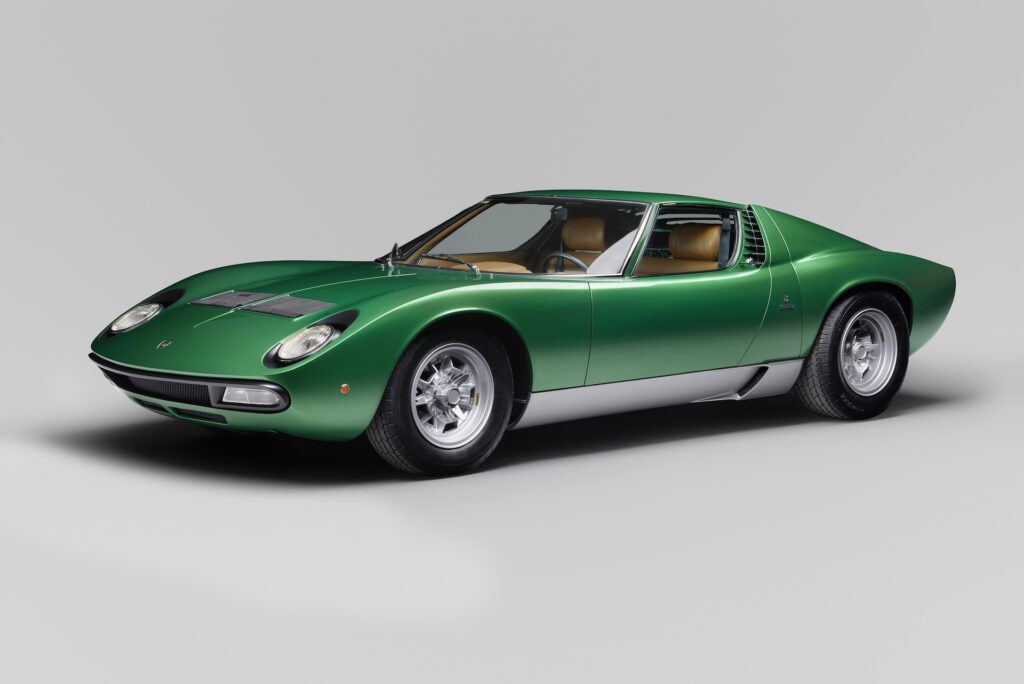
It redefined what a high-performance road vehicle could be. The Miura featured a V12 engine that was transversely mounted behind the driver, a layout that was inspired by motorsport design. It was a radical architecture that broke with GT tradition.
The Miura also boasted performance figures that, for the time, seemed surreal. The shape of the car, created by the legendary design firm Bertone, was immediately iconic and remains so today.
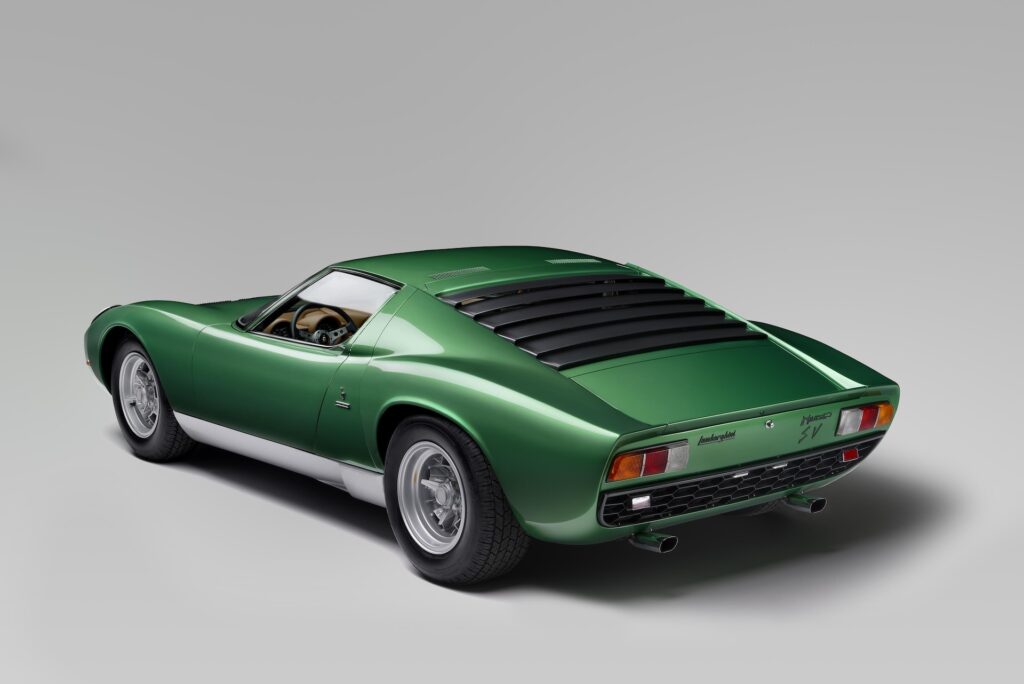
Launched just three years after the founding of Automobili Lamborghini, the Miura was the third model to be unveiled, and it established core values of the brand that lasted for decades to come. Courage over convention; innovation without compromise; design and engineering pushed to their limits.
Six decades on from its premiere, the Miura today remains an icon of technical radicalism, visionary engineering and timeless design. Its story is one of youthful ambition and engineering audacity.
“The Lamborghini Miura is certainly not only a dream car for me because of its performance, design, and cult status. It changed the course of automotive history. With its revolutionary architecture, breathtaking design, and uncompromising performance, it defined the very concept of the supercar and set Lamborghini on a path of fearless innovation.”
Stephan Winkelmann, President and CEO of Automobili Lamborghini S.p.A.
The birth of a revolution
Less than two years after the company was founded, Lamborghini was still a niche manufacturer, but the 350 GT had already demonstrated the company’s technical ambition. Ferruccio Lamborghini was proud of the first GT car, but dreamed of an even more powerful vehicle.
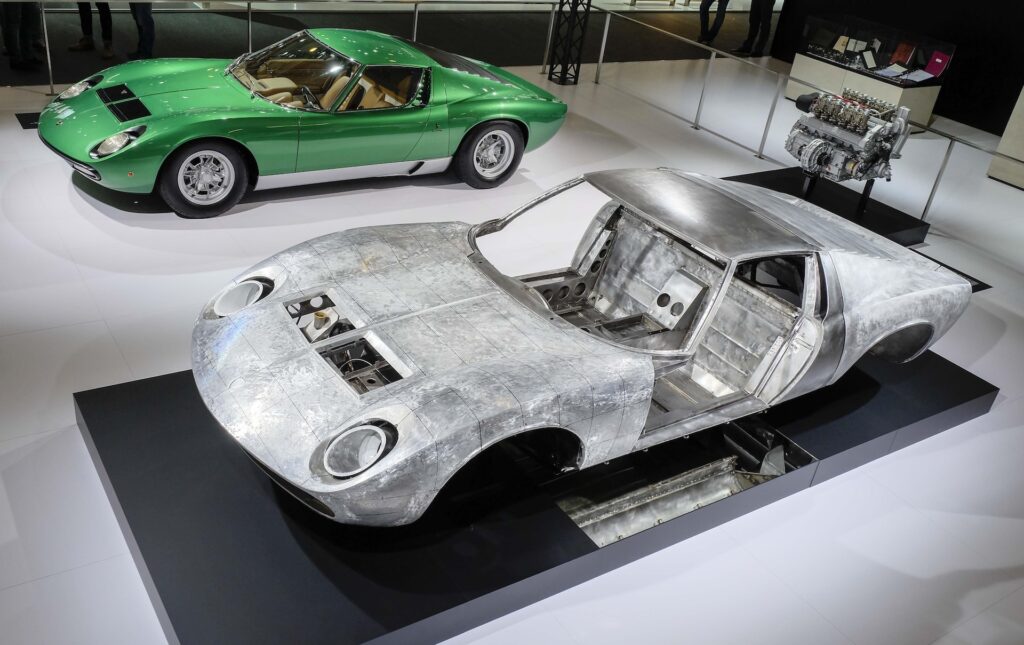
On November 3rd, 1965, at the Turin Motor Show, Lamborghini displayed the chassis in satin black, with the engine transversely mounted behind the driver. The model sat alongside the Lamborghini 350 GT and the 350 GTS.
Never before or since has a bare chassis attracted such attention. The steel box, with a wall thickness of only 0.8 millimeters and numerous punch holes, weighed just 120 kilograms, and the four white exhaust pipes immediately caught the attention of visitors. It was a demonstration of power and a radical gesture by the young sports car brand from Sant’Agata Bolognese.
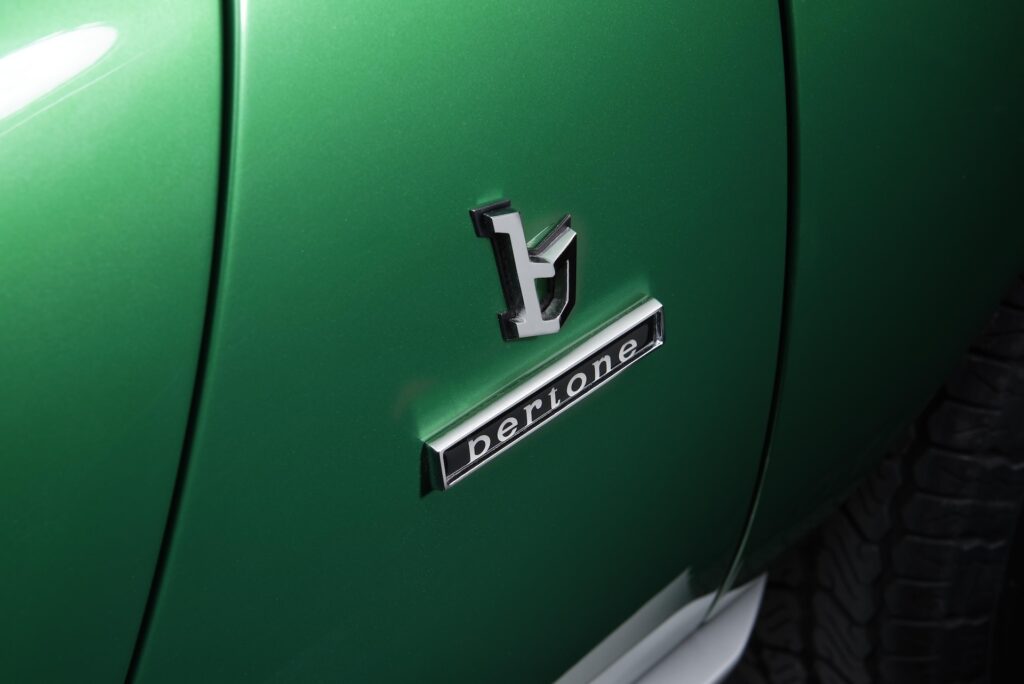
But Lamborghini hesitated. According to legend, Nuccio Bertone appeared at the Lamborghini stand towards the end of the Show and was the last coachbuilder to stop by. Bertone then examined the chassis on display and confidently said to Ferruccio Lamborghini that his studio would design “the perfect shoe for this wonderful foot.”
Whether this dialogue actually took place like this cannot be proven today. What is undisputed, however, is that this anecdote impressively reflects the immediate mutual understanding and creative agreement between the two entrepreneurs.
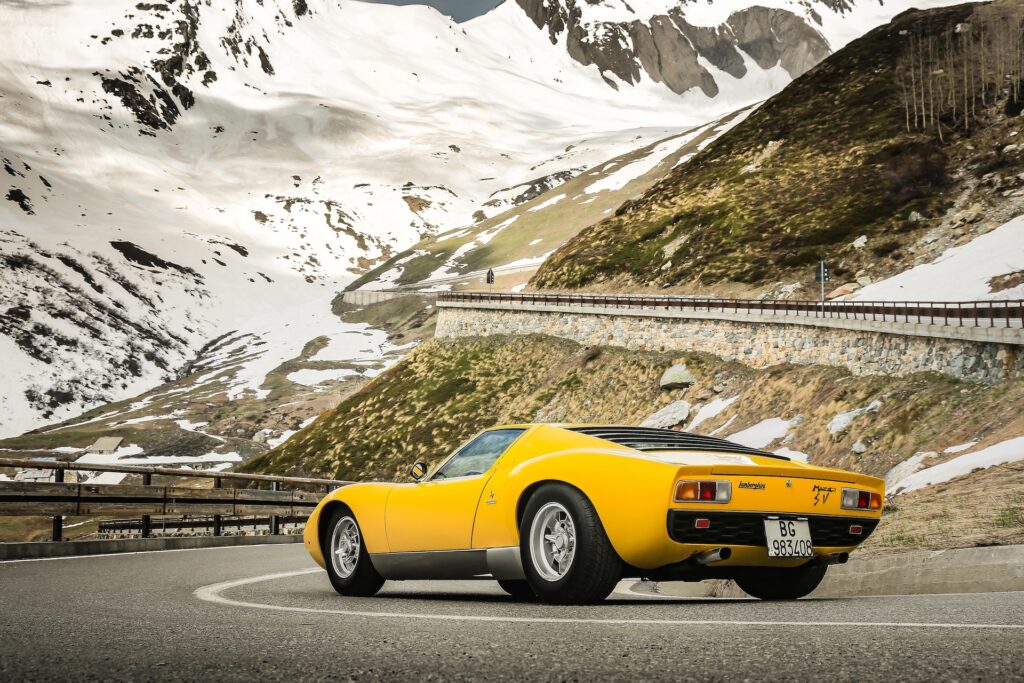
The first collaboration with Carrozzeria Bertone, where Marcello Gandini served as Head of Design at the time, clothed the steel chassis, characterized by high and wide sills, with an exhilarating bodywork.
Just a few weeks after the first meeting, at the beginning of January 1966, the Bertone design was finalised, and the prototype was completed by March with the support of 30 Bertone employees. It offered comfort and reliability along with very impressive performance numbers. The powerful V12 was paired with a lightweight body, while the wheel design was entirely new
In March 1966, on Bertone’s stand at the Geneva Motor Show, Automobili Lamborghini presented an orange car that ignored existing conventions. The mid-engine concept fundamentally changed the weight distribution and provided a driving experience that was unmatched at the time. This was complemented by Bertone’s incomparable, elegant design of breathtaking beauty.
A name written in legend
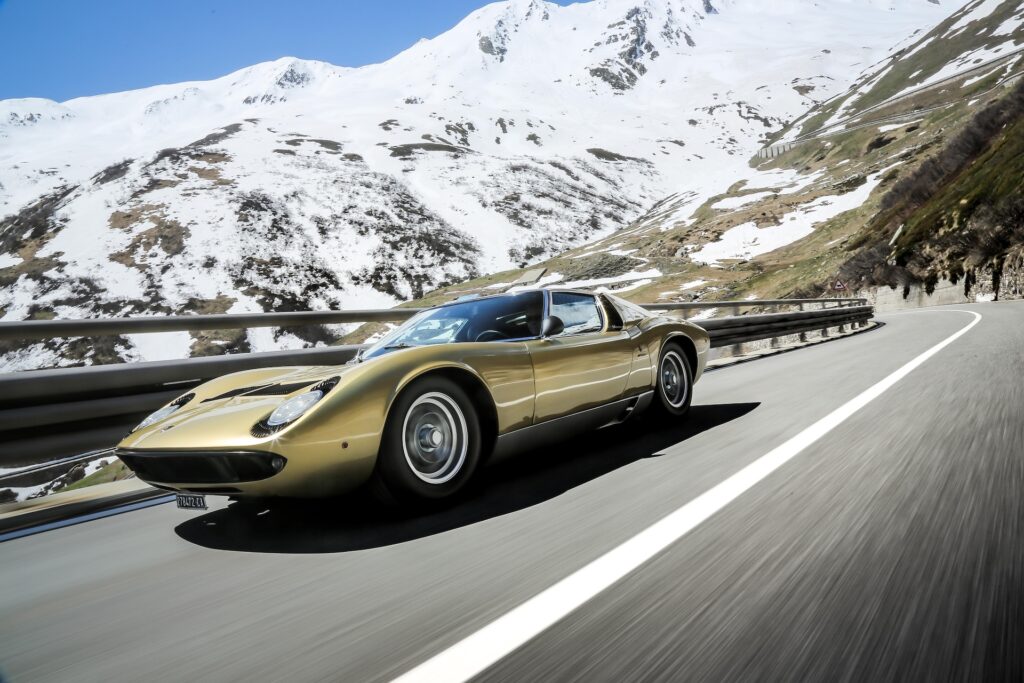
The connection between Lamborghini and the symbolism of the bull is deeply rooted in the brand’s history. With the Miura, Lamborghini deliberately used the name of a famous Spanish bull breed for the first time. The model is named after the powerful breed of bulls bred by Don Eduardo Miura Fernández.
This history is directly reflected in Lamborghini’s model nomenclature. Names such as Miura, Espada, Islero, and later Murciélago are deliberate references to legendary bulls and their characteristics.
Depending on customer requirements, the bodywork could be finished in striking colours, making the Miura one of the first super sports cars to offer a bold and highly customisable colour palette.
The Lamborghini V12
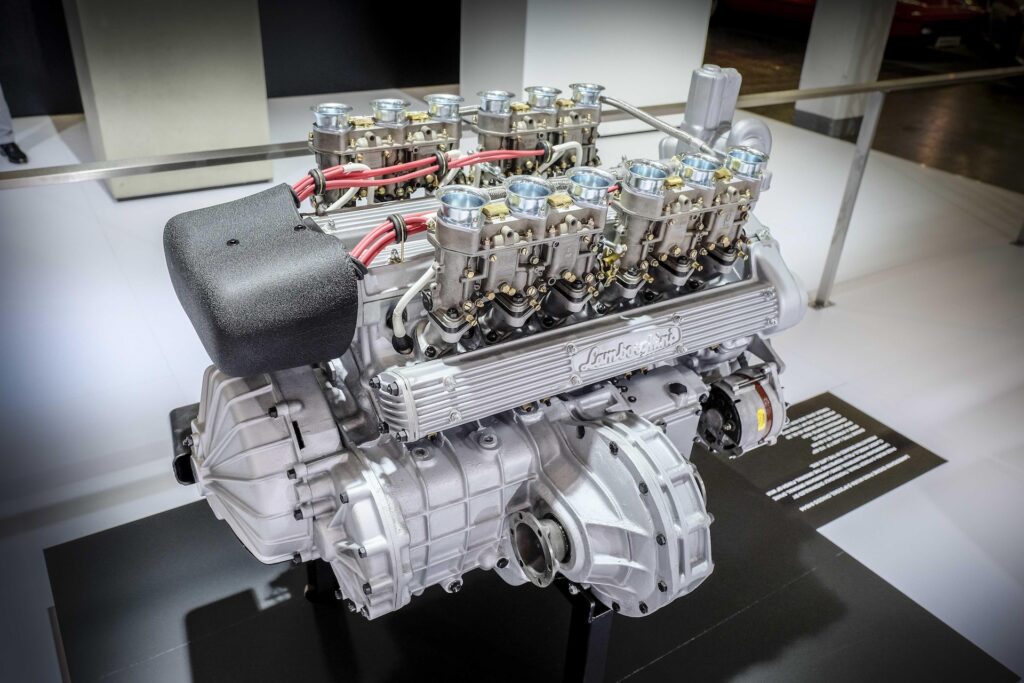
The history of the Lamborghini V12 revolves around this engine: a technically revolutionary power unit that shaped the brand’s DNA for almost six decades. It is an expression of engineering artistry, innovation, and vision.
With the last pure V12 fitted to the Aventador Ultimae in 2022, Lamborghini brought to a close an era that stretched back to the 1960s. In 2023, the V12 entered a new chapter with the Revuelto, where the iconic engine was paired with a hybrid system, marking the evolution of the V12 into a new electrified era.
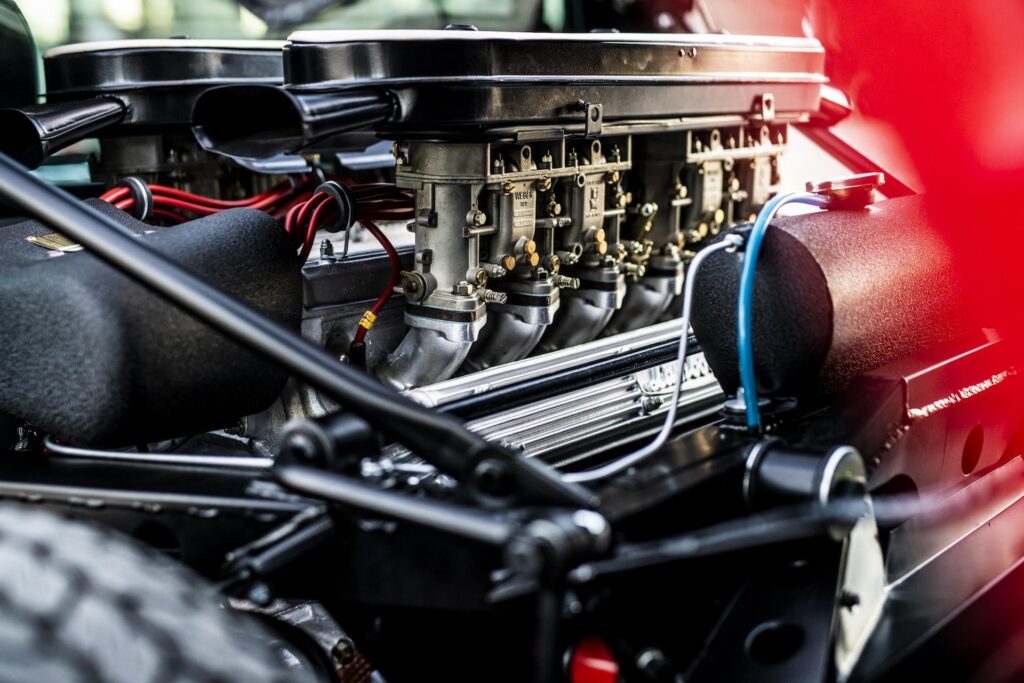
Depending on the model, P400 or P400 S, the engine delivered 350 or 370 hp, making the Miura one of the fastest production cars of its time. The Miura 400 accelerated to 100km/h in 6.7 seconds and was capable of speeds up to 280km/h. At the time, this super sports car was the fastest production car in the world. Power was transmitted via a dry clutch to a manual five-speed transmission with open shift gate.
During production, Lamborghini developed a separate lubrication system for the engine and transmission, a technically significant change.
Engineer Paolo Stanzani played a central role in this success story. He developed the V12, that was originally designed by Giotto Bizzarrini, to be suitable for the road, and ensured it was ready for series production. Stanzani was also significantly involved in the design of other Lamborghini icons such as the Countach, Espada, and Urraco.
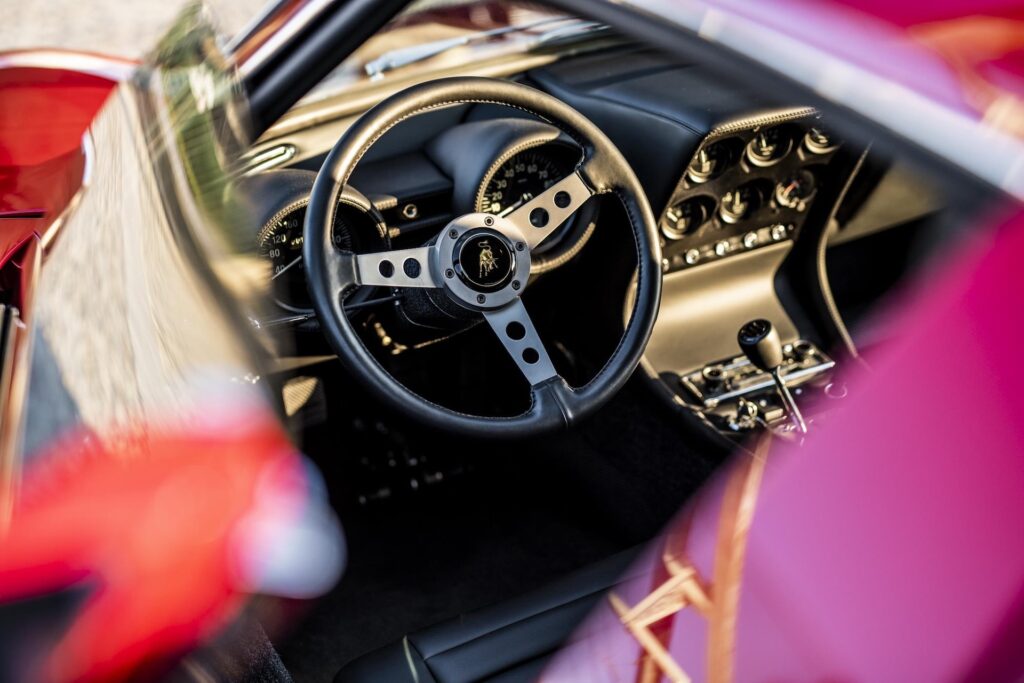
To celebrate the Miura’s legacy, Lamborghini unveiled the Miura Concept in 2006, marking the model’s 40th anniversary. Presented at the Geneva Motor Show, the concept paid tribute to one of the most influential super sports cars in automotive history.
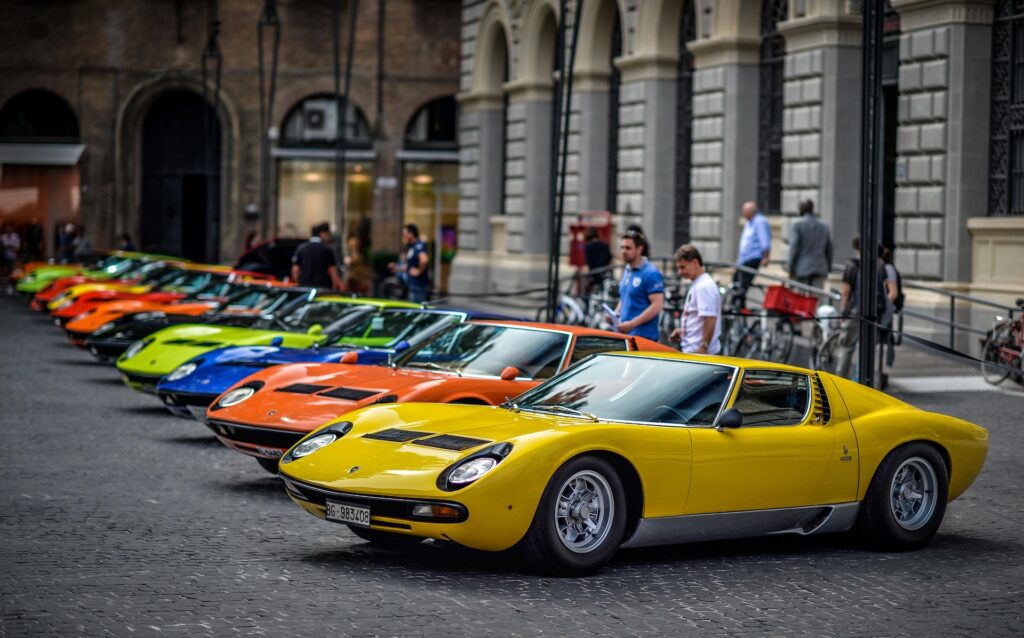
Designed by Walter De Silva, the Miura Concept reinterpreted the original’s flat silhouette, wide rear shoulders and short overhangs in a contemporary language, deliberately avoiding retro styling.
Conceived purely as a design study, it remained a technical concept rather than a production proposal.
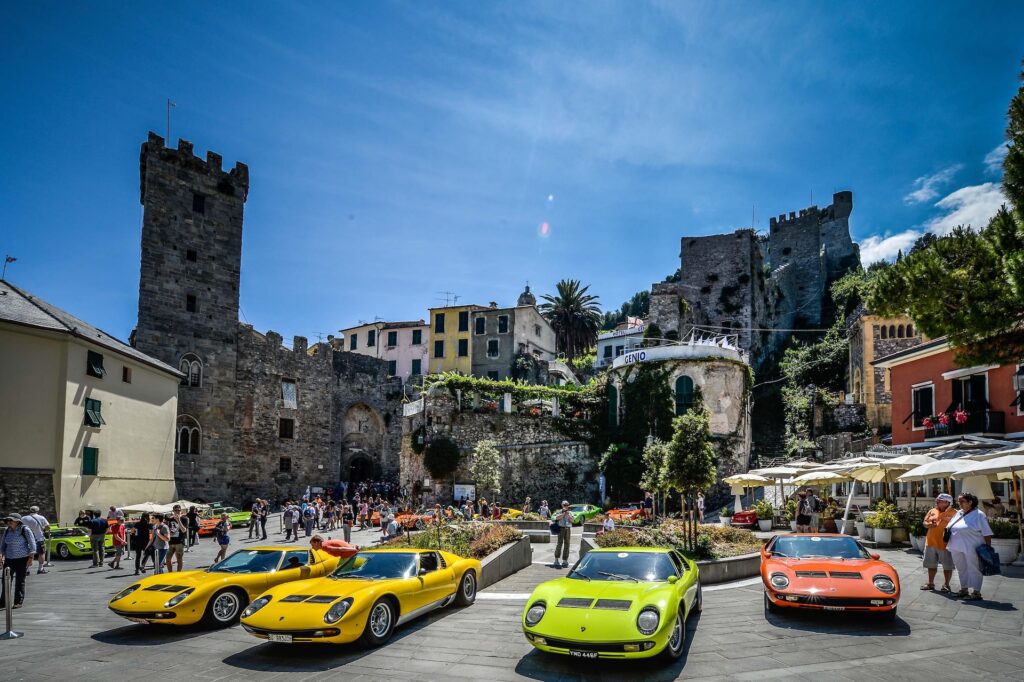
Today, the Lamborghini Miura remains a benchmark of automotive design and cultural relevance. Sixty years after its introduction, it does not age, but rather matures.
Read more content at Burnpavement, or check out our latest videos on YouTube and on TikTok!