Race director Rui Marques spelt it out in a Thursday bulletin to the teams: when the forecast Heat Index tops 31°C, the protocol kicks in. Drivers are permitted to wear cooling vests on the grid and during any race suspension.
“Having received a forecast from the official Weather Service predicting that the Heat Index will be greater than 31°C at some time during the race. Thus, a Heat Hazard is declared,” said Marques.
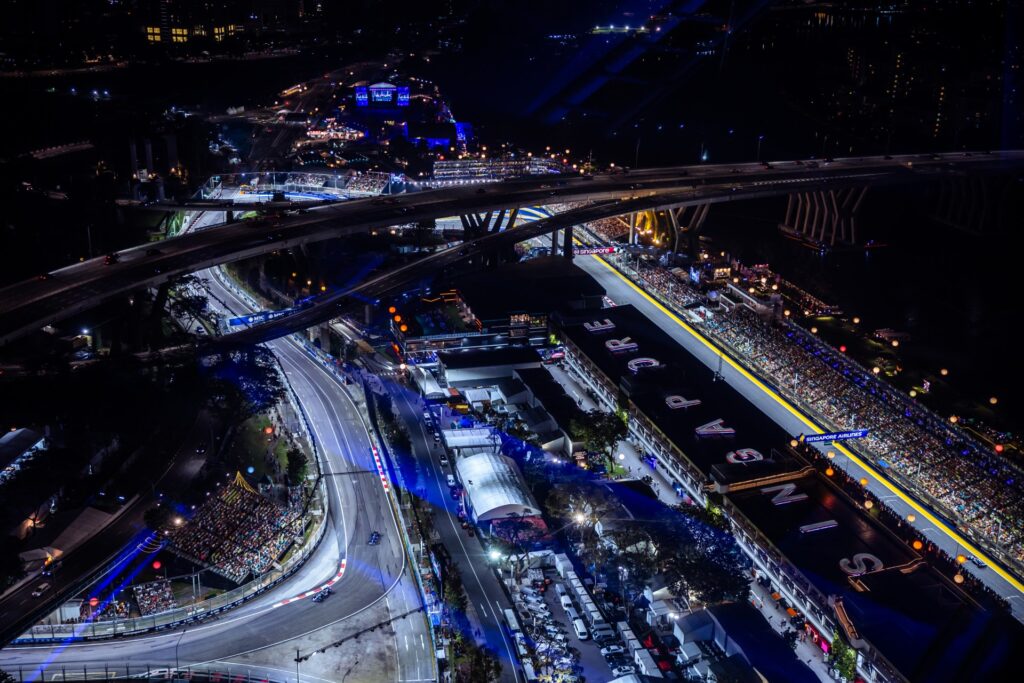
The Singapore Grand Prix’s bumpy, stop-start street circuit is infamous: high humidity, thick tropical air, concrete canyons that trap heat. Drivers routinely shed up to 3kg over a full-length night race.
What’s a cooling vest, exactly?
The cooling vest is laced with coolant tubes, fed by pumps and a heat exchanger. In testing, some drivers grumbled about comfort; space is at a premium in a modern F1 cockpit, and anything that adds bulk feels uncomfortable. Still, when the mercury climbs, cold fluid buys you clarity.
Crucially, the FIA isn’t forcing anyone to wear one. But whether a team opts in or out, every car must be fitted with the requisite hardware so the vests can be used. Elect not to wear the vest? You’ll need to carry an extra 0.5kg of ballast to avoid gaining a weight advantage.
Lessons from a hot night in Qatar
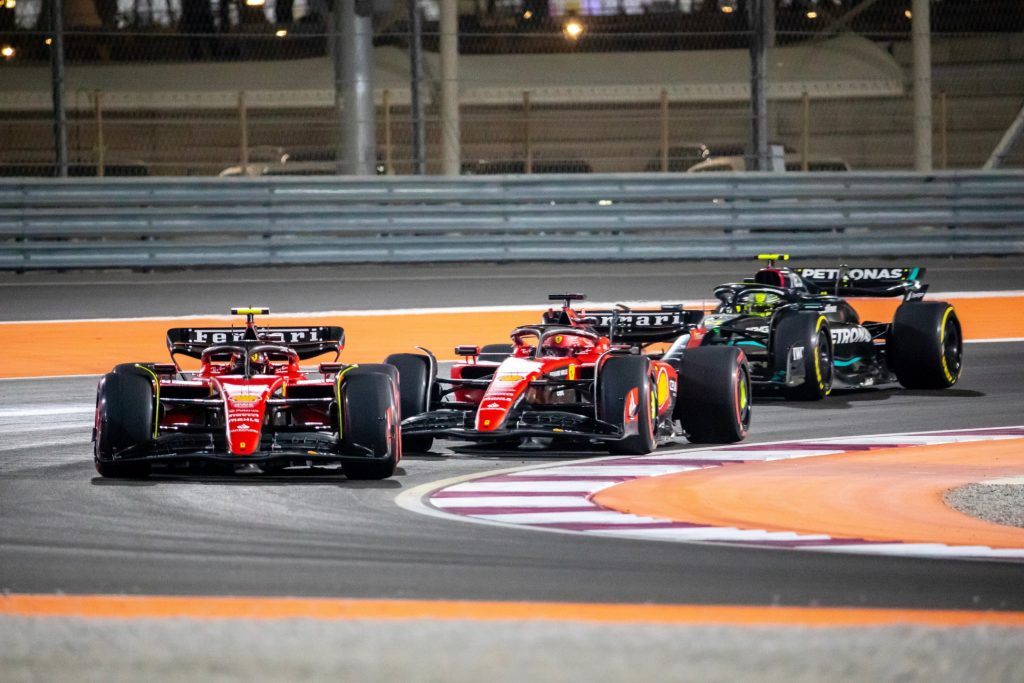
The FIA pushed it forward after the 2023 Qatar Grand Prix, where several drivers needed medical attention for heat-related symptoms.
George Russell gave the vest an early shakedown at this year’s Bahrain Grand Prix and, characteristically, called it as he felt it: “Of course there’s always room to improve,” the Mercedes driver said. “I wanted to give it a whirl. So far, so good.”
Does a cooling vest make a driver faster? Not directly. It keeps them sharper for longer, which at the Singapore Grand Prix is often the same thing. The heat-hazard call doesn’t blunt the spectacle, but rather modernises it.
Read more content at Burnpavement, or check out our latest videos on YouTube and on TikTok!