“Testarossa” is a title bestowed upon only a special chosen few.
I’m sure most car enthusiasts know this by now. In Italian, “testa rossa” translates to “red head”, a reference to Ferrari’s habit of painting the engine’s cylinder heads (and later cam covers) in bright red, as if the mechanical heart deserved its own ceremonial dress uniform.
Ferrari itself traces the myth back to the mid-1950s racers: the 500 TR’s painted heads were so distinctive that the name became inseparable from the car’s identity, and the tradition flowed straight into the 250 Testa Rossa.
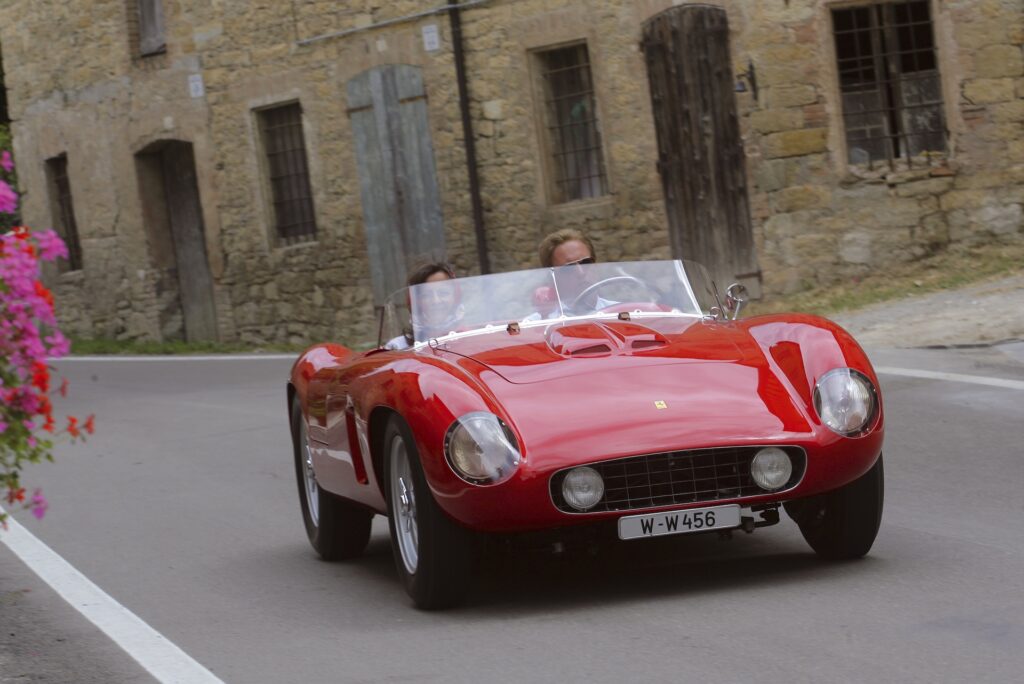
From there, the word stopped being an engineering detail and became something more potent: shorthand for Ferrari at its most dramatic, most competitive, most poster-worthy.
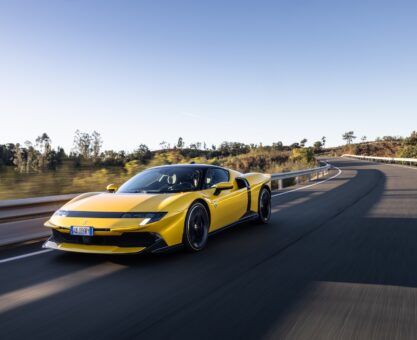
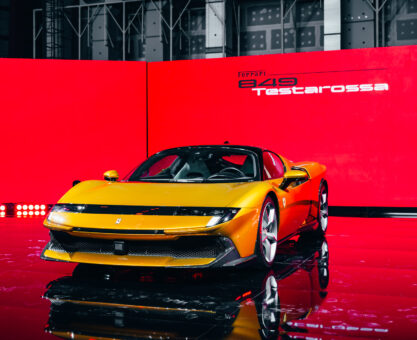
And now, decades later, Ferrari has decided that the name deserves another chapter, culminating in the newest bearer of the crown: the Ferrari 849 Testarossa, positioned as the pinnacle of the modern Ferrari crop.
The origin story
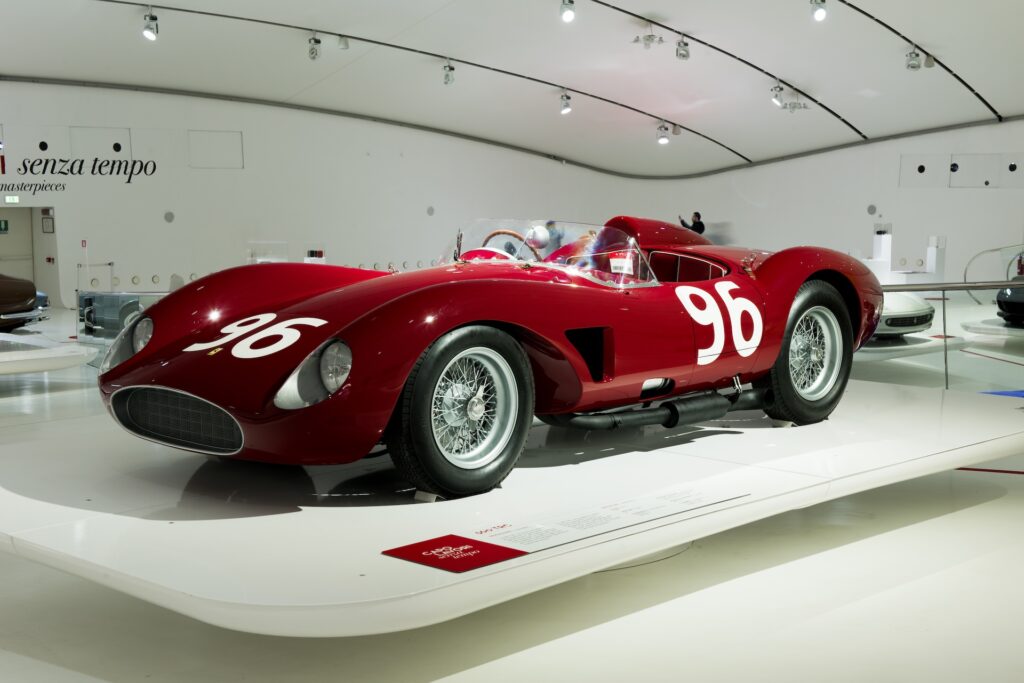
The Ferrari 500 TR (1956) was genesis: a purpose-built racing weapon whose newly developed four-cylinder had its heads painted.
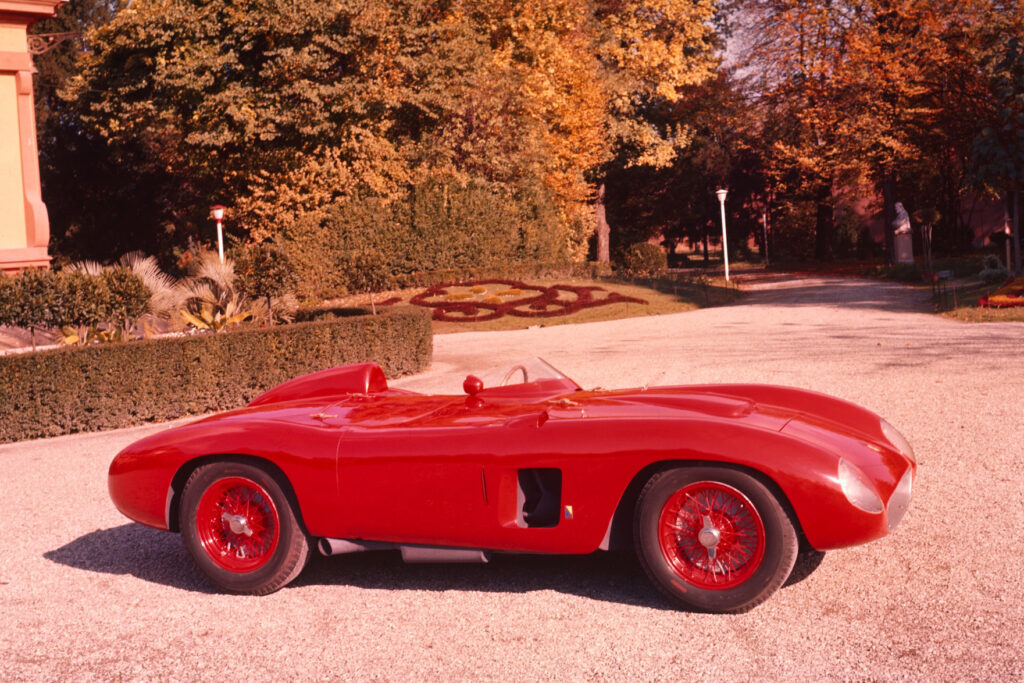
It is an unusually honest origin for a myth, because there’s no poetry to hide behind. Just colour, intent, and a desire to go faster than the Maseratis of the day.
250 Testa Rossa, When The Name Becomes Folklore
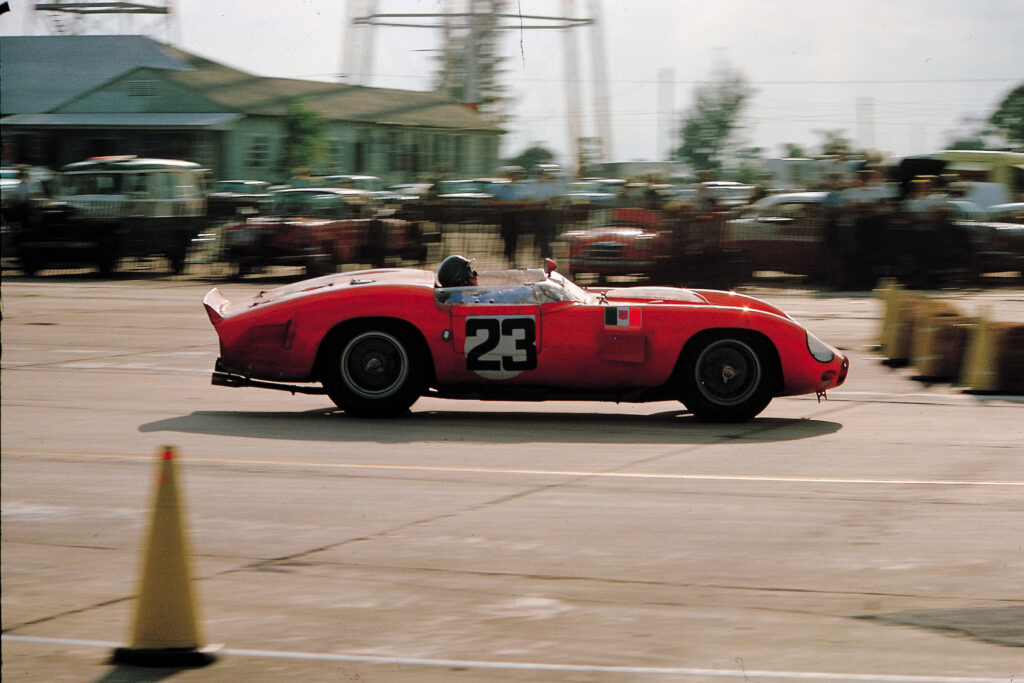
Then comes the car that turned “Testa Rossa” into a phrase with the weight of history. The Ferrari 250 Testa Rossa, launched in 1957 as a sport prototype and designed to give racers more power on a familiar handling base.
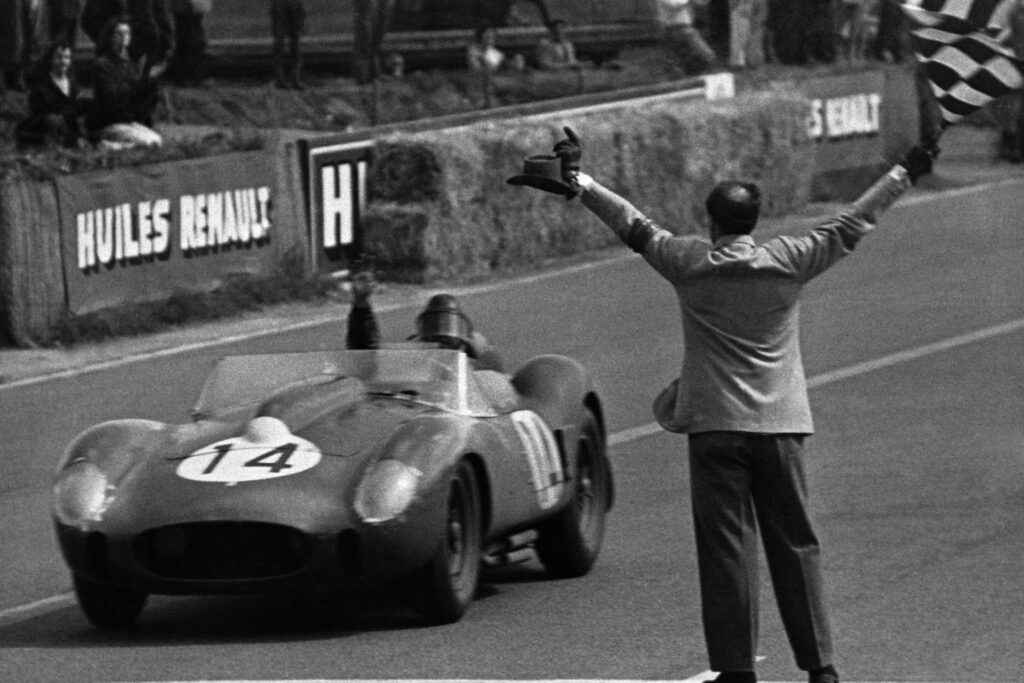
A “legendary team of drivers” sent the name into Ferrari folklore through competition success, establishing the pattern that follows every time Ferrari revives the term “Testarossa”.
It’s all about competition DNA, and about the sense that the car wearing the name should feel a bit special even before it moves.
The Word Changes Shape, And The World Gets A Poster
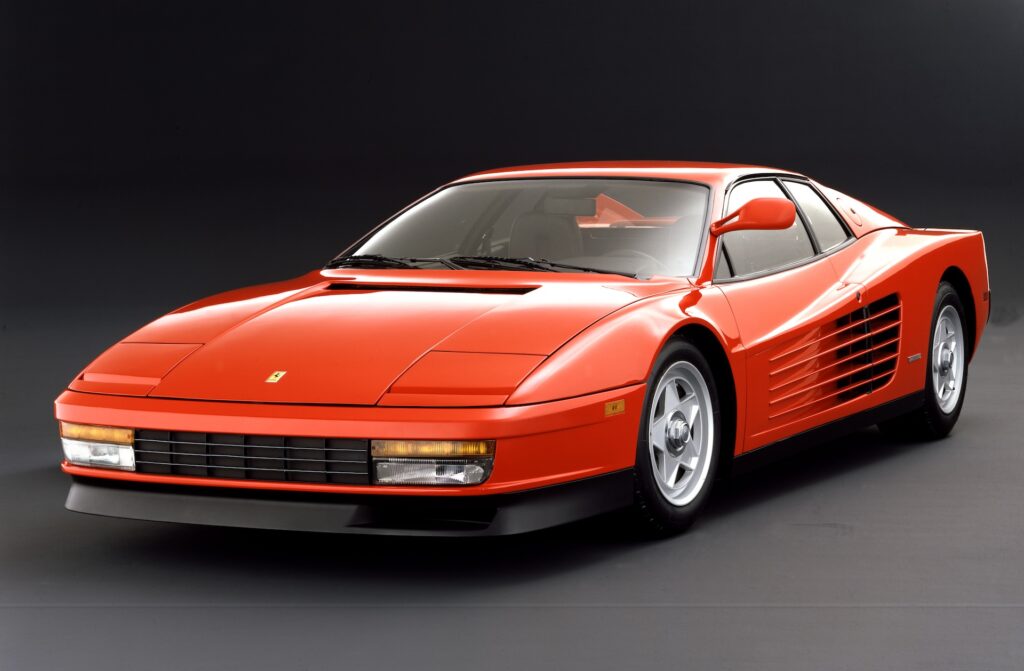
Fast-forward to the 1980s, and Ferrari did something slightly mischievous.
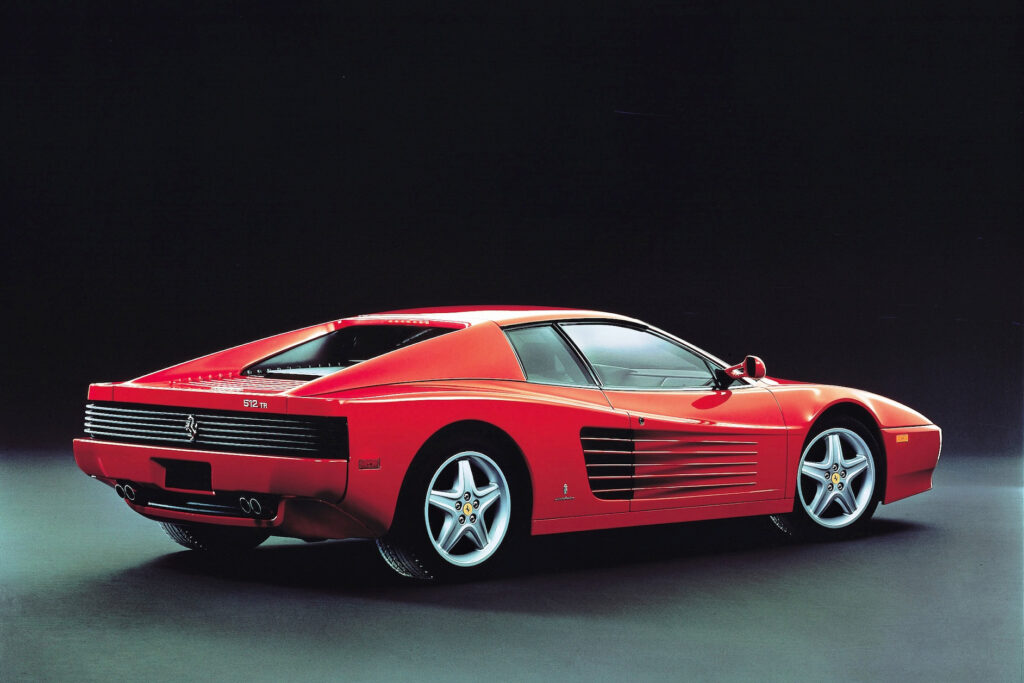
At the Paris Motor Show in October 1984, Ferrari unveiled the Testarossa as heir to the 512 BBi, with Pininfarina delivering a design that was striking, innovative, and instantly recognisable, especially the long side strakes born from the need for larger intakes.
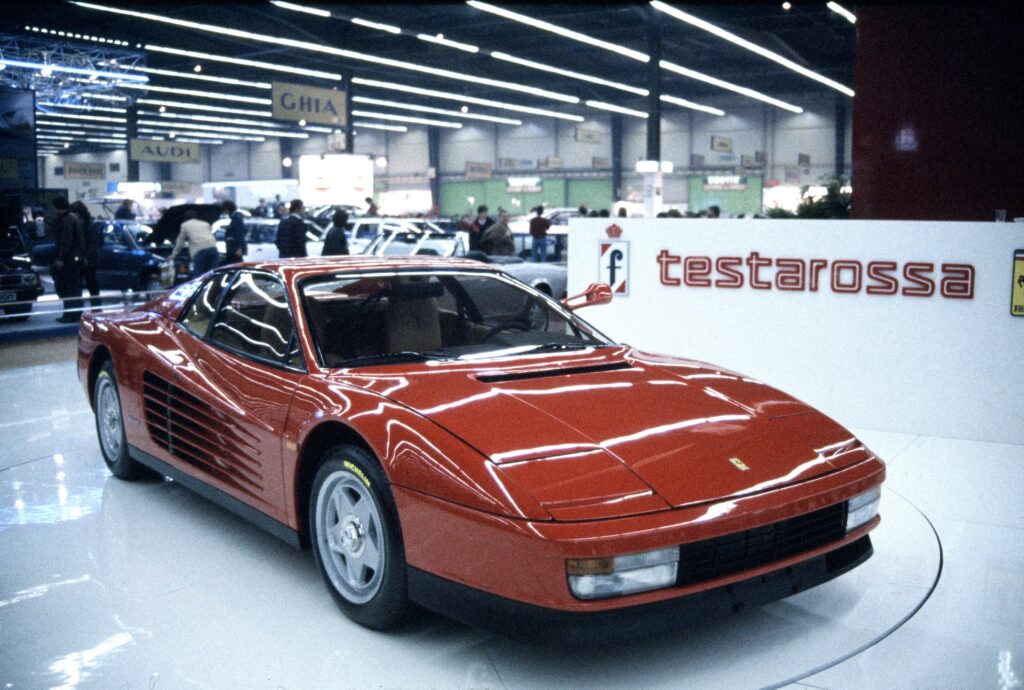
This is also the moment the phrase becomes the single, famous word: Testarossa. If the 250 Testa Rossa was a Le Mans-scented piece of legend, the 1984 Testarossa was a global icon.

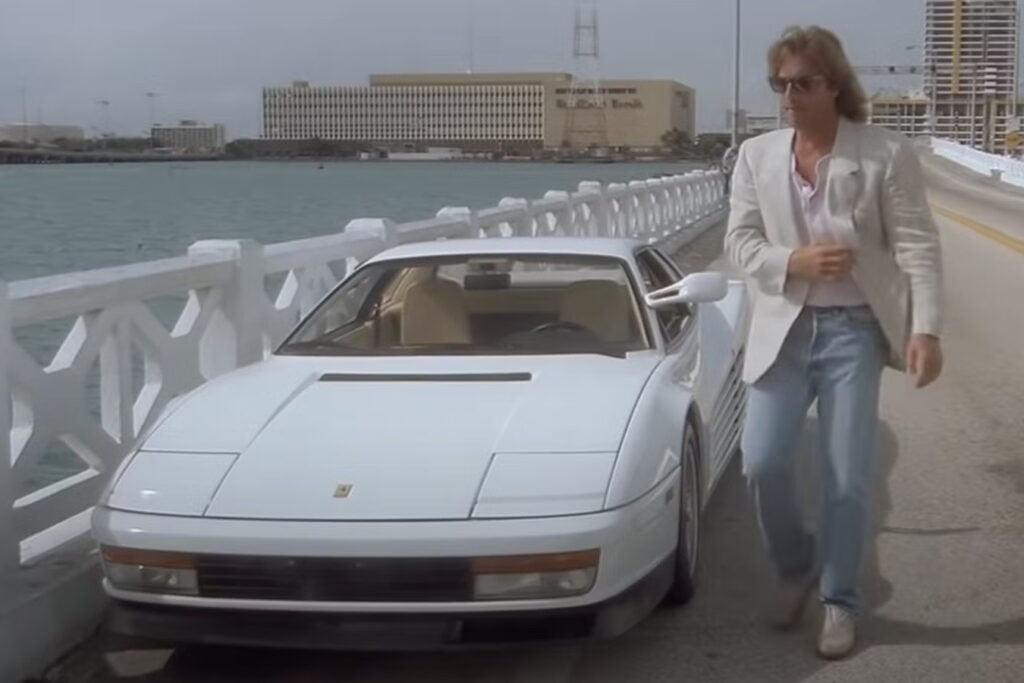
A car that appeared in magazines, in bedrooms, in music videos, in the collective imagination of anyone who’d ever looked at a straight road and thought, “Yes, but what if I arrived there like a rock star?”
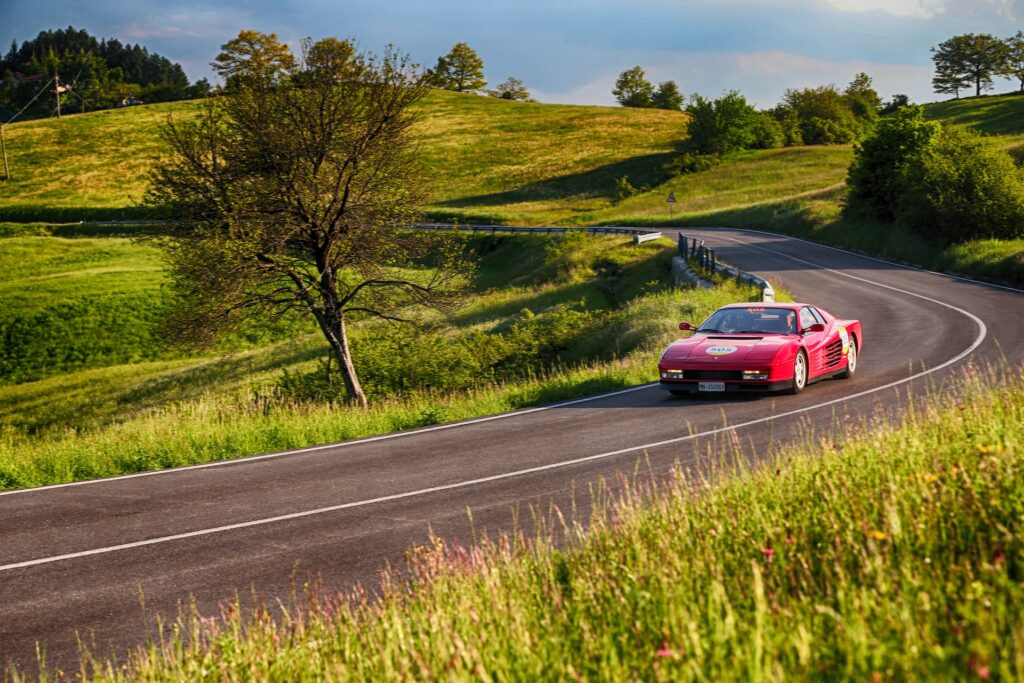
It kept the name’s core meaning while translating it into the language of the era: wide shoulders, theatrical proportions, and an aura that was unmatched.
512 TR, the sharper suit
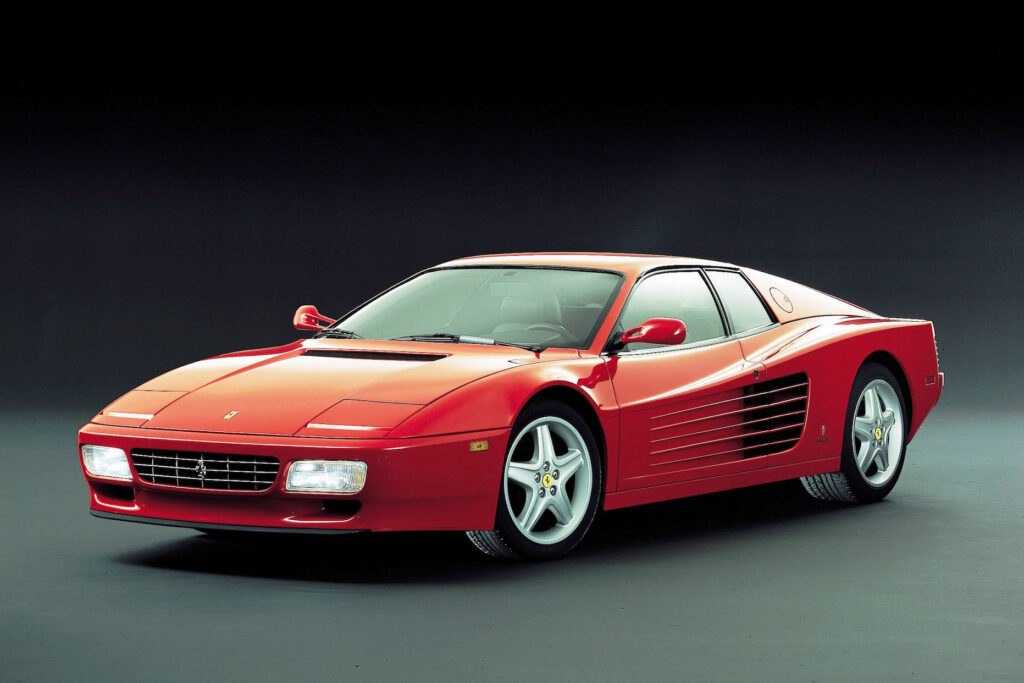
Ferrari rarely leaves a good thing untouched for long, especially if there’s performance to be found in the margins. In 1991, the 512 TR arrived as the evolution of the Testarossa.
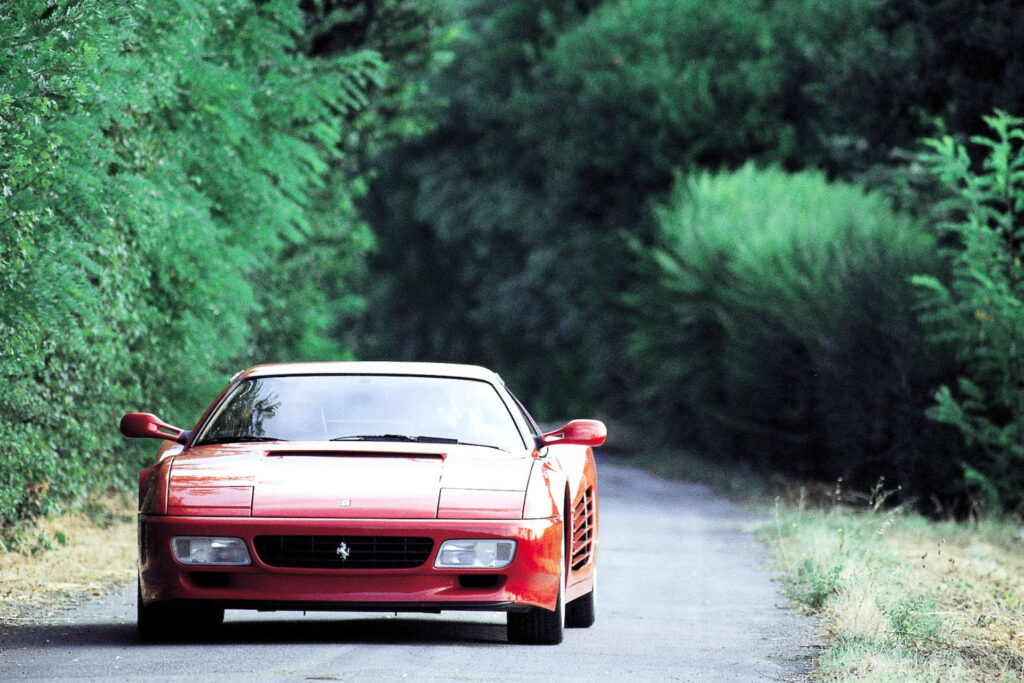
The significance of the 512 TR is that it represents Ferrari doing what it often does best: taking a glamorous headline act and tightening the choreography underneath.
This refinement made the experience more cohesive, more driver-focused, and more “engineered” without losing the theatre.
F512 M, The Last Word Of The Flat-12 Era
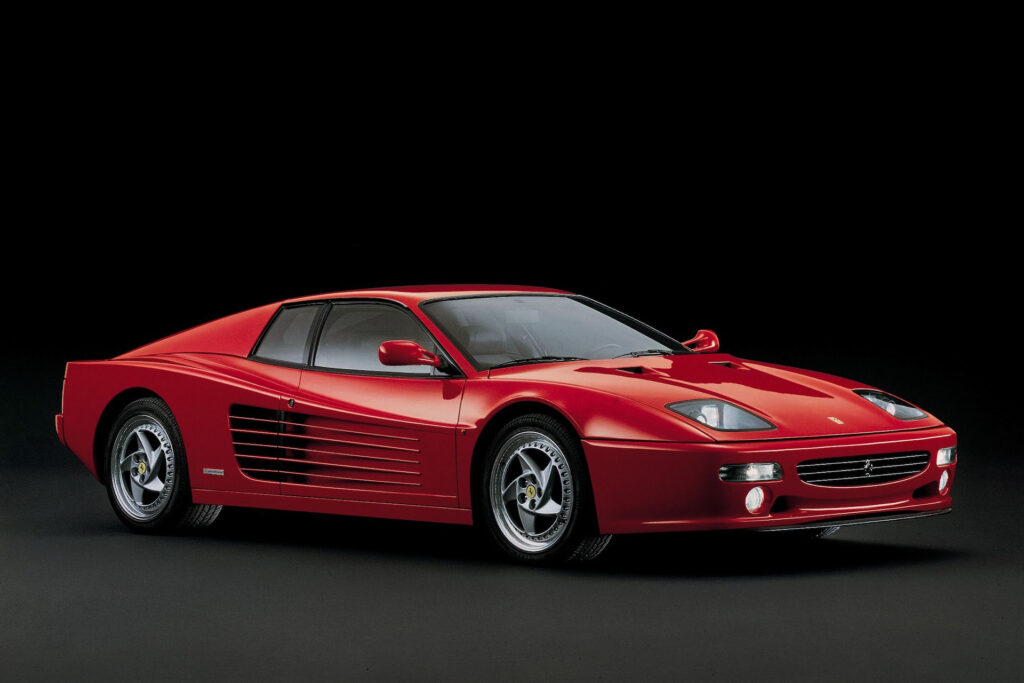
If the 512 TR is the sharpened suit, the F512 M is the final tailoring pass, the closing chapter of the classic road-going Testarossa bloodline.
The “M” stands for “modificato” (modified), illustrating that this was a deliberate, comprehensive evolution rather than a casual facelift. The modern Testarossa legend became inseparable from Ferrari’s road-going flat-12 era, and the F512 M stands as its final, most distilled expression.
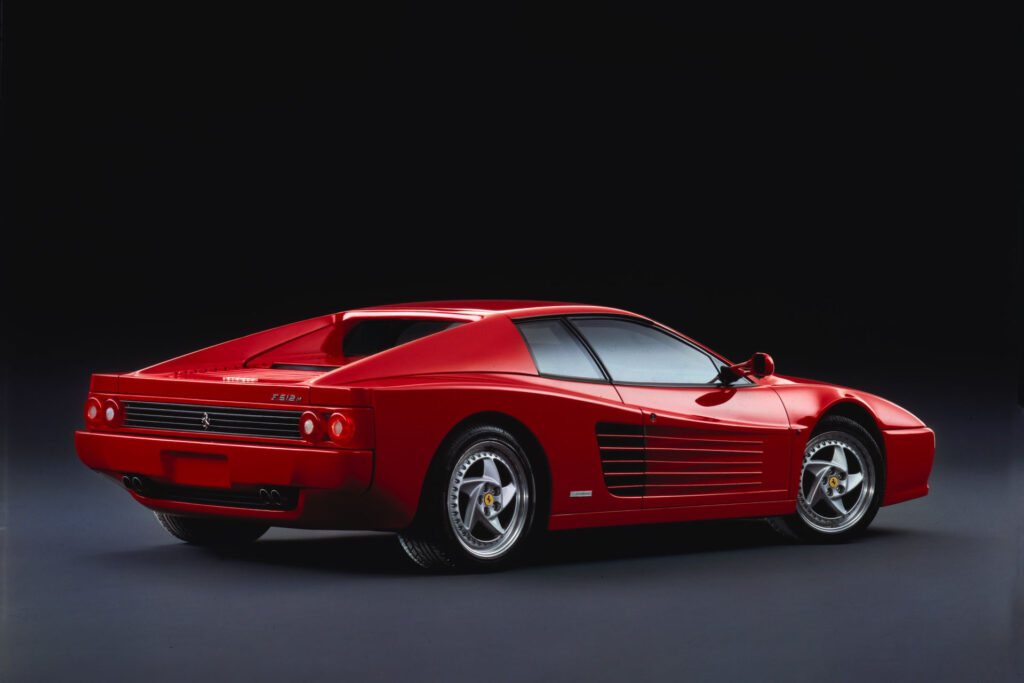
A car that, depending on your taste, is either the last true expression of a very particular Ferrari vibe, or the moment the brand cleared the stage for a new kind of performance.
The Crown Returns
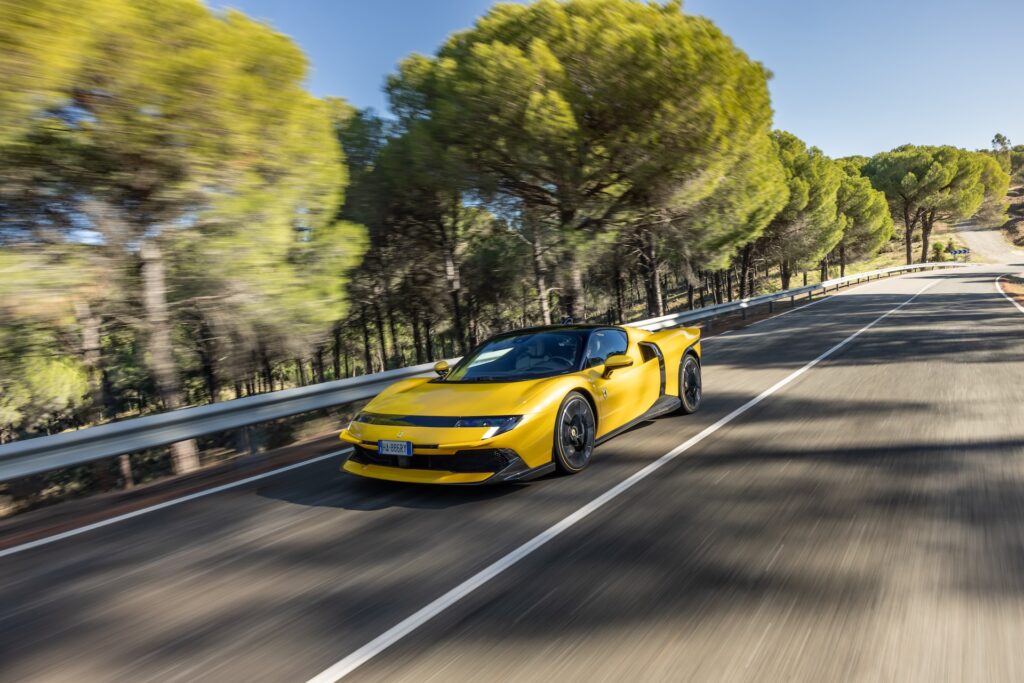
Which brings us to now, and to Ferrari’s decision to place that name on a new kind of flagship. “Pinnacle”, “Outracing”, and an “Extreme character”. These are the terms that encapsulate the new 849.
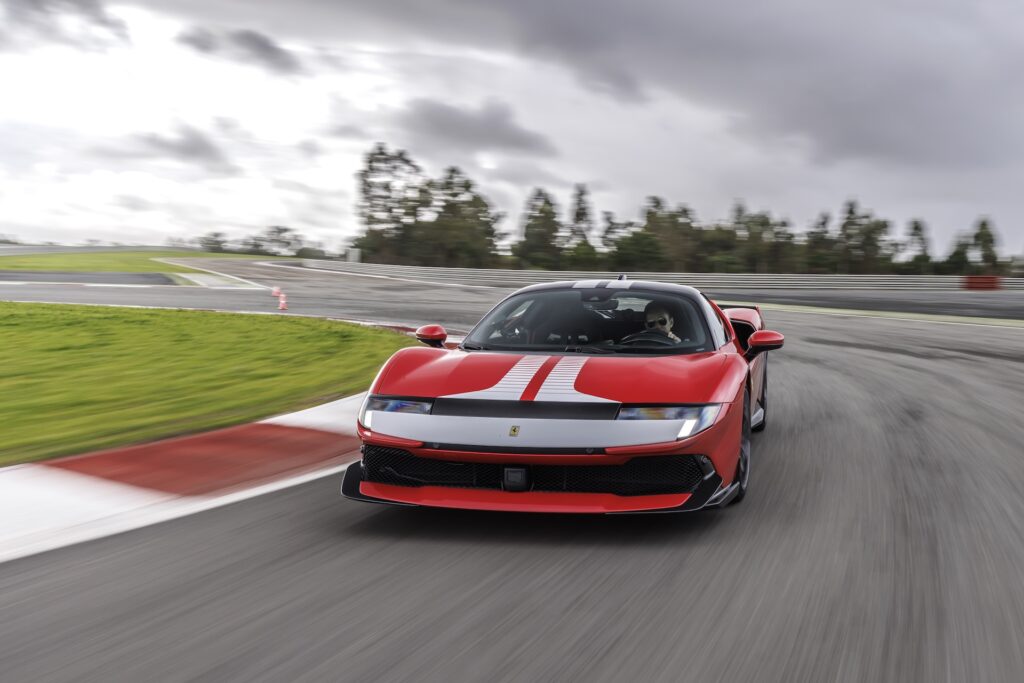
It’s extreme in every way, taking what Ferrari has learnt from the F80, SF90, and other special models like the SP3, distilling it into one track-focused machine.
More importantly, it has that immeasurable quality that makes people care about Ferraris in the first place. Occasion.
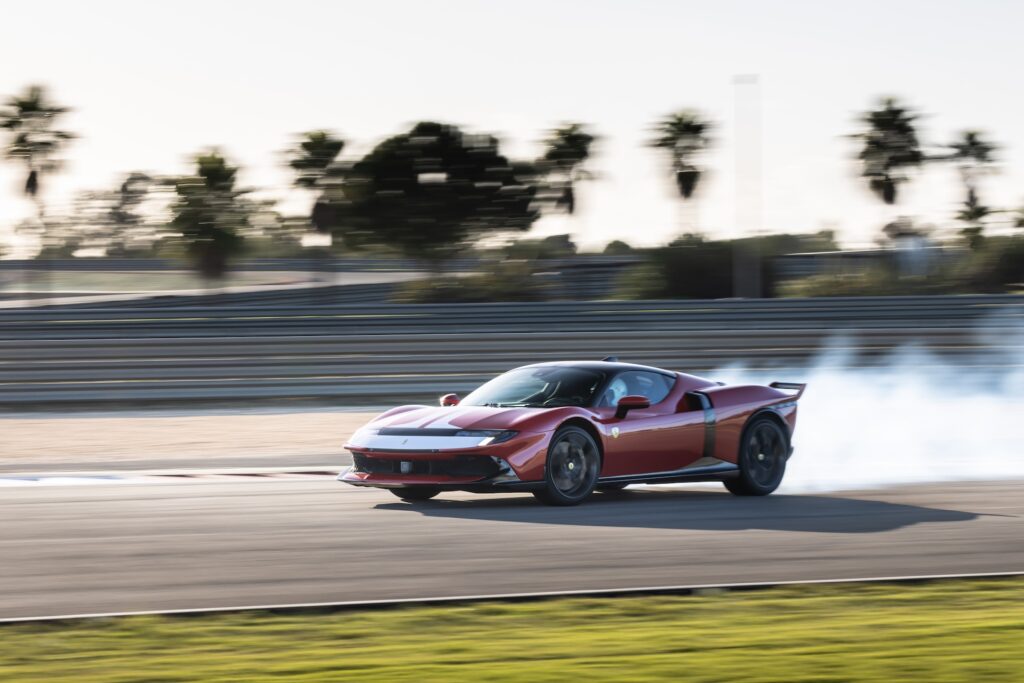
Be smooth and decisive, and it becomes your personalised track weapon. It’s simply sensational, and it feels like the Italian marque has treated the name with respect. Not by trying to replicate a memory, but by creating a modern car that deserves the legend on its tail.
A Legendary Bloodline
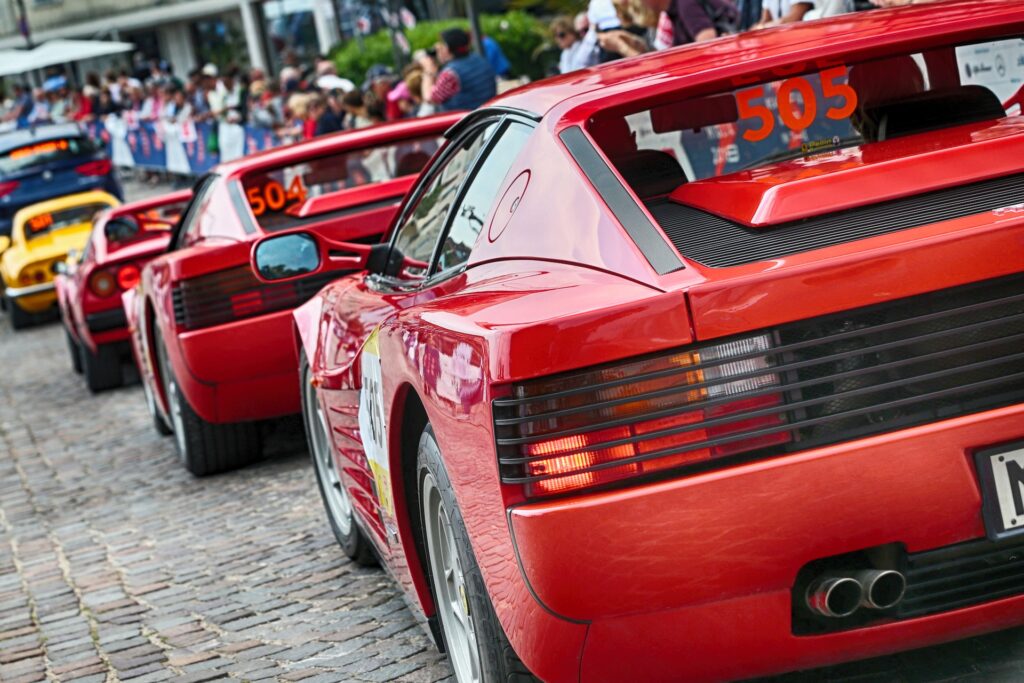
If you step back, a Testarossa, in any era, is Ferrari saying: this one was never meant to be sensible.
It is meant to be memorable. It is meant to feel like an occasion, whether that occasion is a 1950s pit lane, an 1980s poster wall, a 1990s evolution of a legend, or a modern track day.
The redhead, it turns out, isn’t just paint.
Read more content at Burnpavement, or check out our latest videos on YouTube and on TikTok!