The McL 6GT reaches back to the very beginning of McLaren’s road-car ambitions with an increasingly rare ingredient: a proper manual transmission.

McLaren has spent much of the modern era chasing speed through technology. Carbon-fibre structures, active aerodynamics, hybrid assistance and increasingly sophisticated electronics have all helped its supercars become devastatingly capable.
However, its latest creation takes a rather different approach.

Unveiled at the 2026 Monterey Car Week, the McLaren McL 6GT is a contemporary interpretation of the M6GT, the car Bruce McLaren envisioned as the foundation for the company’s road-car ambitions more than half a century ago.
More importantly for driving enthusiasts, it also marks the return of an authentic manual gearbox to a McLaren for the first time since the F1 arrived in 1992.
Going Back To Where It All Began

The story behind the McL 6GT stretches back to Bruce McLaren himself.
The original M6GT grew out of the M6A Can-Am racing car and represented McLaren’s ambition to create a road-going supercar. That dream was ultimately never fully realised during Bruce McLaren’s lifetime, but its influence has remained an important part of the company’s history.
The new McL 6GT effectively asks a simple question: what might that car look like if the idea had been allowed to evolve for another six decades?
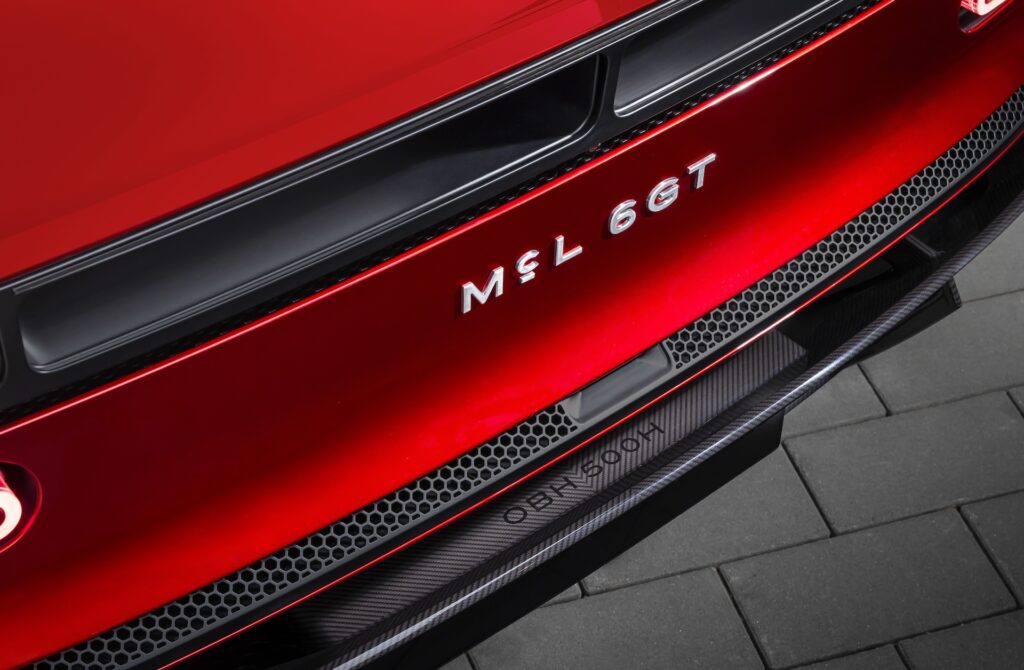
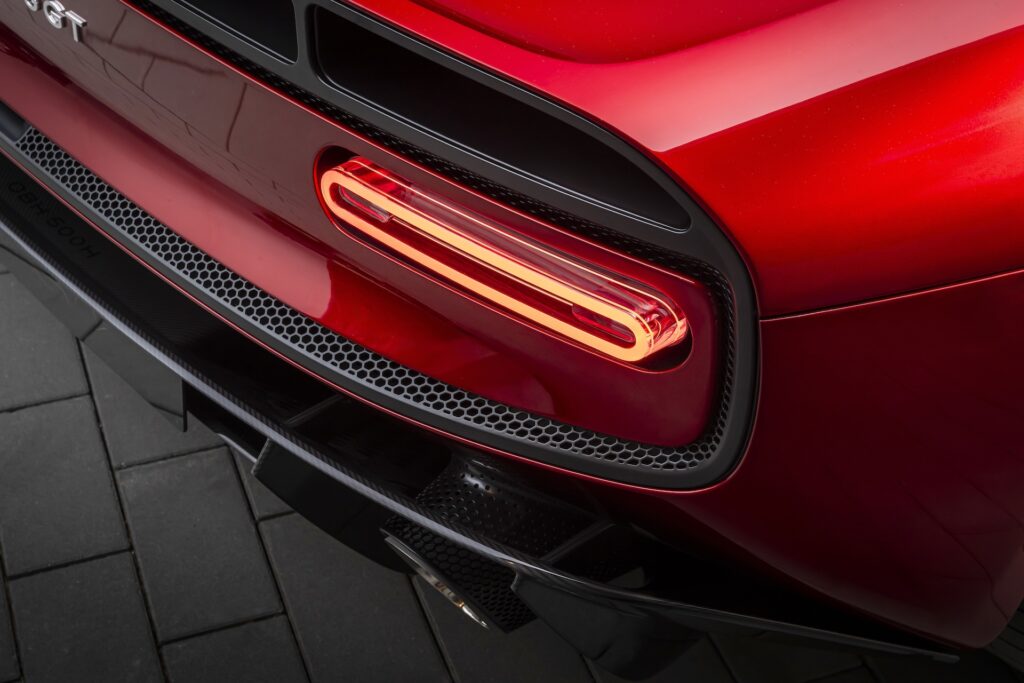
Rather than creating a straightforward replica, McLaren has taken the philosophy behind the original and interpreted it through contemporary engineering. The result combines a carbon-fibre monocoque and bodywork with V8 internal combustion power, rear-wheel drive and that all-important manual transmission.
“The McLaren McL 6GT imagines what our inspirational founder had wished to complete but with six additional decades of innovation and passion woven through every element, creating a modern icon of driver connection. It is symbolic of the bold, provocative and hugely exciting future that we are preparing to realise.”
Nick Collins, Chief Executive Officer of McLaren Automotive
McLaren says a production version will arrive in 2028, establishing a new, highly exclusive type of supercar positioned beyond its existing core portfolio.
Three Pedals. In A McLaren. Finally.
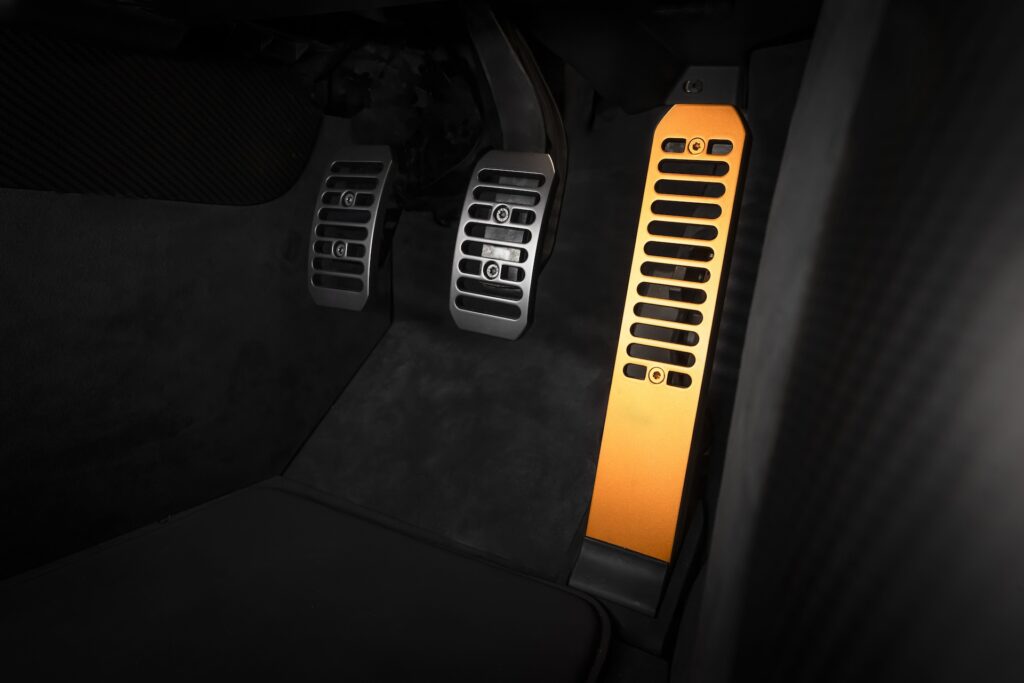
The McL 6GT has deliberately been engineered around interaction rather than outright convenience. Every gear change, steering input and movement of the accelerator is intended to feel physical and deliberate.
Hydraulic steering replaces another layer of electronic mediation, while tactile switchgear and exposed engineering details continue the analogue theme inside the cabin.
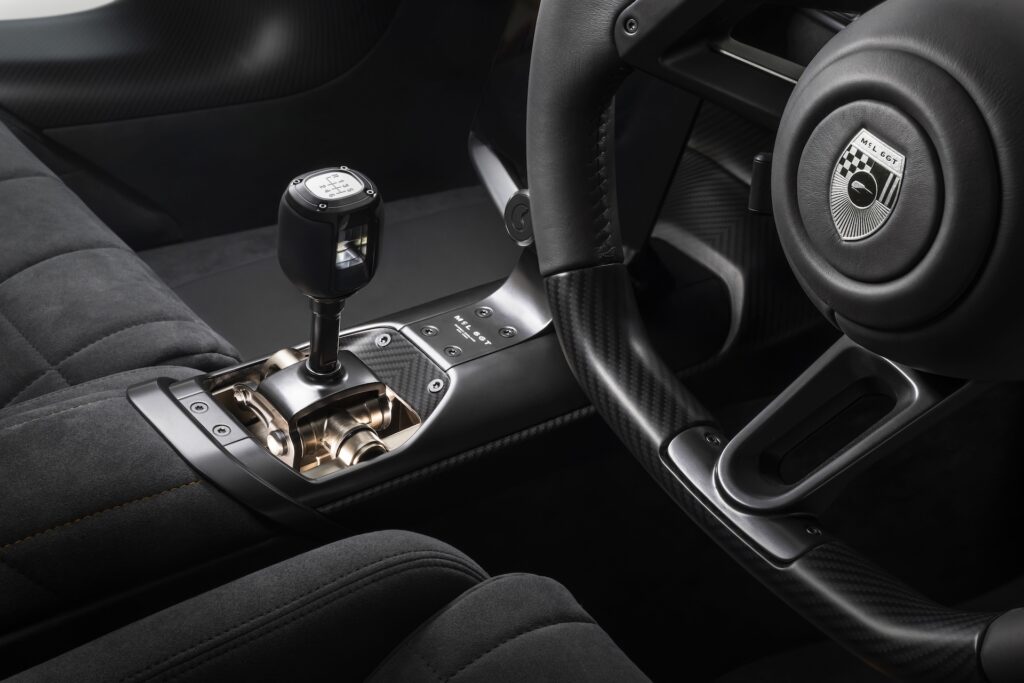
Even the gearlever has received particular attention. McLaren says its shape, throw and operation have been developed specifically around feel, while a three-dimensional Speedy Kiwi (one of McLaren’s earliest emblems) is incorporated into the upright.

That philosophy extends to the exterior. Rather than simply dipping into the heritage cupboard and scattering retro details everywhere, McLaren has retained the fundamental proportions of the original M6GT while translating them into a modern supercar.
The McL 6GT consequently sits extremely low and wide, with a low nose recalling the M6A Can-Am racer from which the original M6GT was derived. Its bodywork flows largely uninterrupted towards a distinctive Kammback rear, while the cabin appears embedded into the body rather than perched on top of it.
It is clean and unusually restrained by modern supercar standards. There are no enormous wings shouting about downforce or seemingly endless collections of aerodynamic furniture fighting for attention.
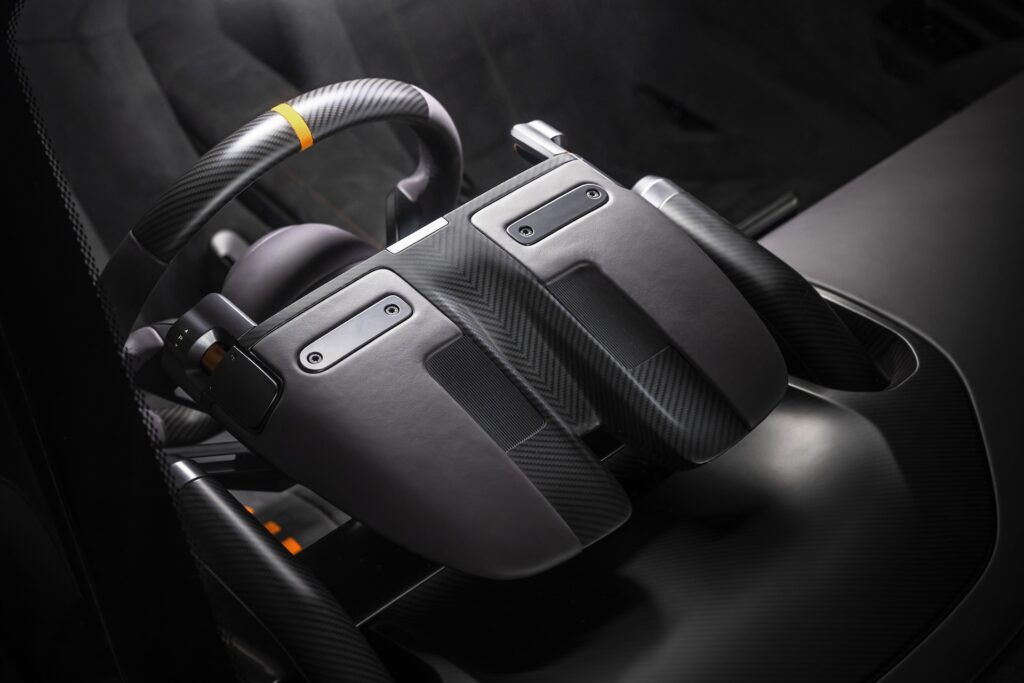
Instead, the design relies heavily on proportion and surfacing. Look closer and the historical references begin appearing.
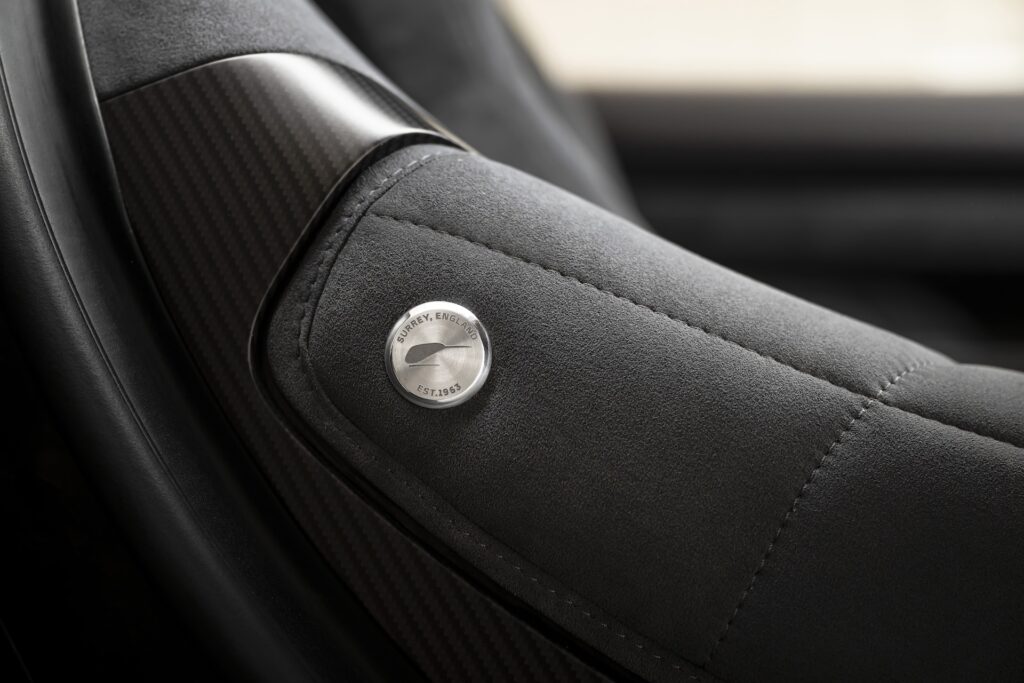
The original M6GT’s taillights have inspired a new “Racing Loop” motif incorporated into the airflow architecture, while Bruce McLaren’s original M6GT number plate has been reinterpreted as a subtle graphic.
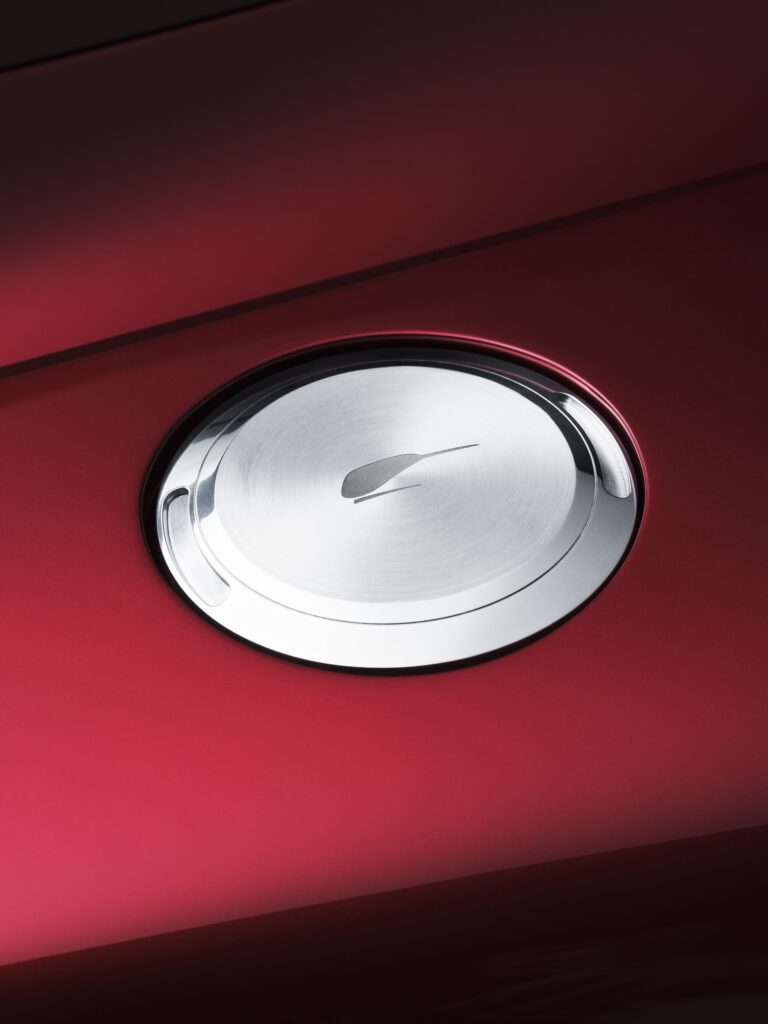
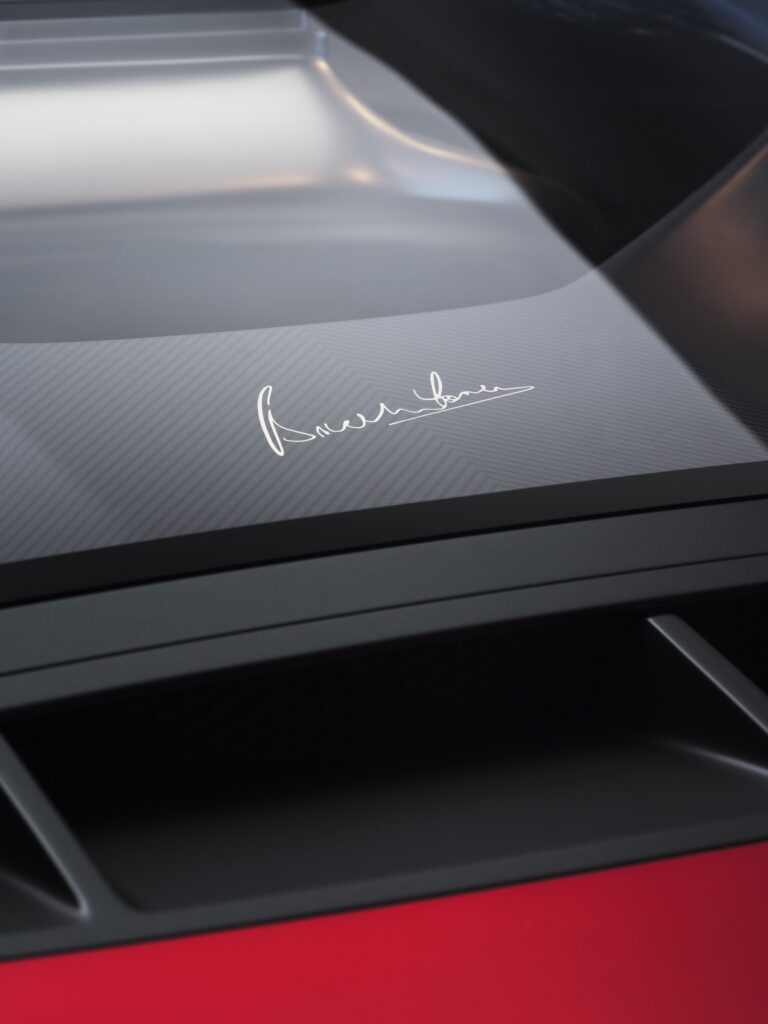
His signature appears in the engine bay, while the Speedy Kiwi is etched discreetly into the fuel filler cap.
Analogue, But Not Old-Fashioned
Perhaps The Future Of Supercars Is More Mechanical
The irony, of course, is that one of McLaren’s most forward-looking new projects is built around technology the automotive industry has spent decades trying to replace. But perhaps that is precisely why the McL 6GT feels refreshing.
The original M6GT represented Bruce McLaren’s vision of what a road-going McLaren could become. More than six decades later, its spiritual successor suggests that McLaren’s next chapter may not simply be about making its cars faster.
It may also be about making them feel alive again.
Read more content at Burnpavement, or check out our latest videos on YouTube and on TikTok!