We speak with Charmain Kwee, Group Executive Director of Eurokars Group, about growing up around cars, what the Artura revealed, and why the P1 remains the one she’d choose to drive.
In a market where high-performance cars have long been associated with status and spectacle, Charmain Kwee sees things a little differently. As Group Executive Director of Eurokars Group, Singapore’s largest privately-owned automotive distributorship and the people behind McLaren here, she has a particular vantage point on what discerning buyers want. Today, it feels more understated; less about loud expression and more about a quieter confidence in what you choose. If you know, you know
Growing up in the automotive trade gives most people one of two things: an obsession or complete indifference. Which did it give you?
Definitely the obsession, and I would not have it any other way. From an early age, you are surrounded by people who care deeply, not just about cars, but about getting them right. That shapes how you think. You start asking questions, forming opinions, developing a feel for what makes a car truly great rather than just impressive. I have come to appreciate that real performance is about control and precision as much as outright speed, that the cars which hold your attention are never just the loudest in the room. They are the ones where you can feel the thinking behind every decision. You start to understand what a badge has to earn. And once you start seeing cars that way, that curiosity never leaves you. That is the obsession.
Raised with a father at the helm of one of Singapore’s most significant automotive businesses, McLaren included, you would have had a front-row seat to this world from a young age. Is there a memory from those early days with the brand that has stayed with you?
I remember when Eurokars launched the 675LT. It was our first significant McLaren launch as the new distributor, and there was a real sense of occasion around it. What stayed with me was how my father approached it. He was not interested in what it looked like on paper; he wanted to understand what it was trying to be. He talked a lot about the difference between cars built around a performance figure and cars built around an idea. The 675LT was clearly the second kind. That distinction has stayed with me, and I apply it every time I think about what McLaren is doing and why.

Was there a specific moment, a particular drive or car, that defined what you look for in a performance car?
The cars that stayed with me were always the ones that responded without hesitation, not just with acceleration but through every input. The steering, the brakes, the way the car shifts its weight. Everything feels connected, as if the car and driver operate as one. That completeness, I came to realise, is what separates a car that truly performs from one that merely feels fast. Once you have experienced it, it becomes a standard you cannot ignore. With McLaren, that quality is part of the DNA, consistent across every model, and it traces directly back to where the brand was born.
Singapore doesn’t reward horsepower in the conventional sense. How does a car like the Artura justify itself on local roads?
It is a question I thought about seriously before choosing it. The Artura is built around a carbon fibre monocoque, which is exceptionally light, and that lightness expresses itself at every speed, not just high speed. It also gives the chassis a rigidity that sharpens handling and a structural integrity you feel from the moment you start driving. The steering has real weight and feel. The car responds to small inputs precisely and immediately.
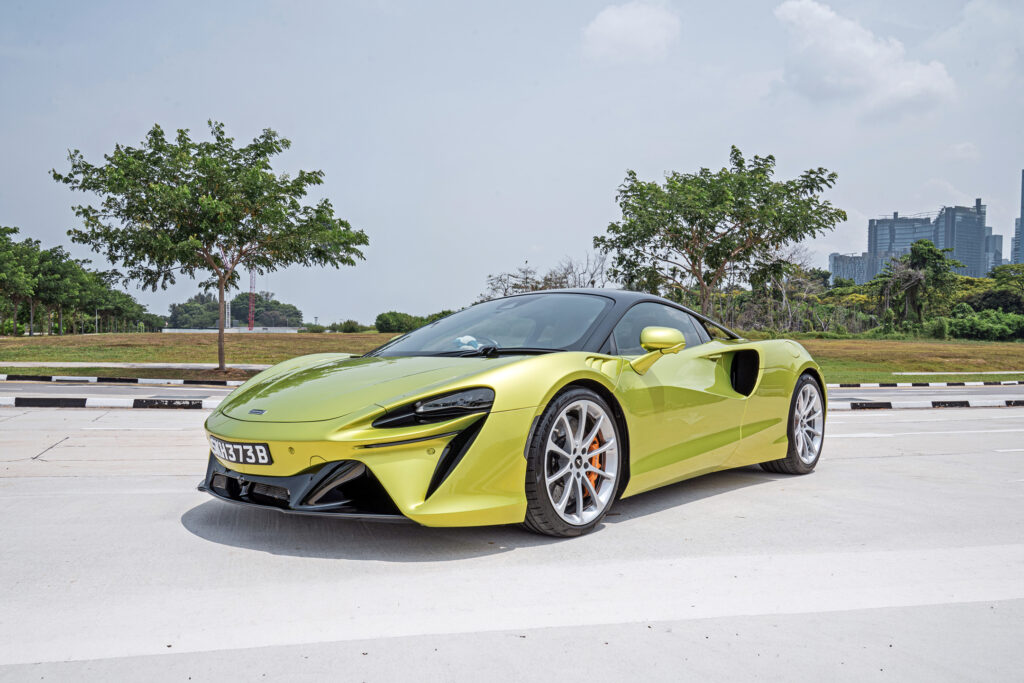
All of that is available to you at 60 or 80 kilometres per hour, which is where you spend most of your time here. Most performance cars only reveal their character at speeds you cannot legally use. The Artura gives it to you in traffic, and the hybrid system is a large part of why. The electric motor delivers torque instantly, before the engine has even had a moment to think about it, so the power is simply there the moment you ask. That is what gives the car its point-and-shoot quality. It is not about how much power there is. It is about how immediately it arrives. And that is something you can use every single day, on any road, at any speed.

The Artura is McLaren’s first series-production hybrid. As someone who values that sense of immediacy you just described, was a hybrid powertrain something you had to be convinced by, or did it make sense to you immediately?
I had to experience it before I fully appreciated what McLaren had done. My first instinct was to question it. McLaren had done hybrid before with the P1, but that was a hypercar that very few people would ever drive. The Artura is the first time that technology has been made accessible in a series-production car, and that is a significant shift. In practice, it sharpens everything.
“Hit the throttle and the electric motor is there instantly, no hesitation, no lag, building into something extraordinary at the top end.”
The power comes in stronger, and the engine note builds with it, more characterful through the rev range, with a drivability that feels immediate in a way that is uniquely its own. Hit the throttle and the electric motor is there instantly, no hesitation, no lag, building into something extraordinary at the top end. Yet you can ease out of your driveway on electric power alone, without waking the neighbours. And for all that technology, the car remains every bit as light as you would expect a McLaren to be. Offered the car with or without it, I would choose hybrid without hesitation. It is not a compromise. It is a performance enhancer.

McLaren owners often use the word ‘pure’ when they describe the driving experience. That word gets used a lot. What does it mean when you are behind the wheel of the Artura?
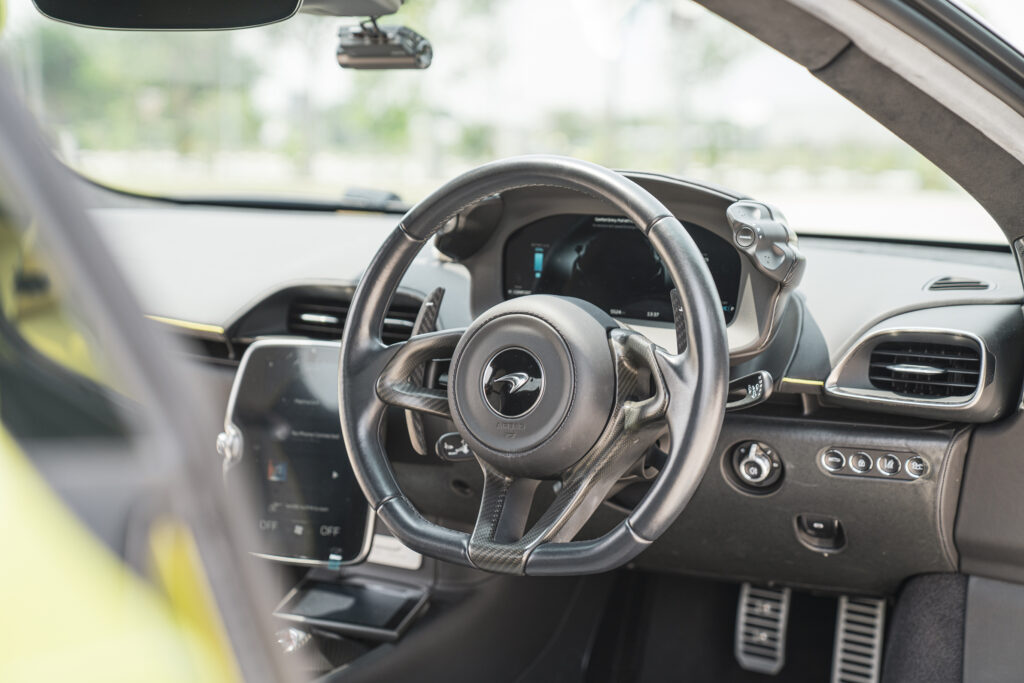
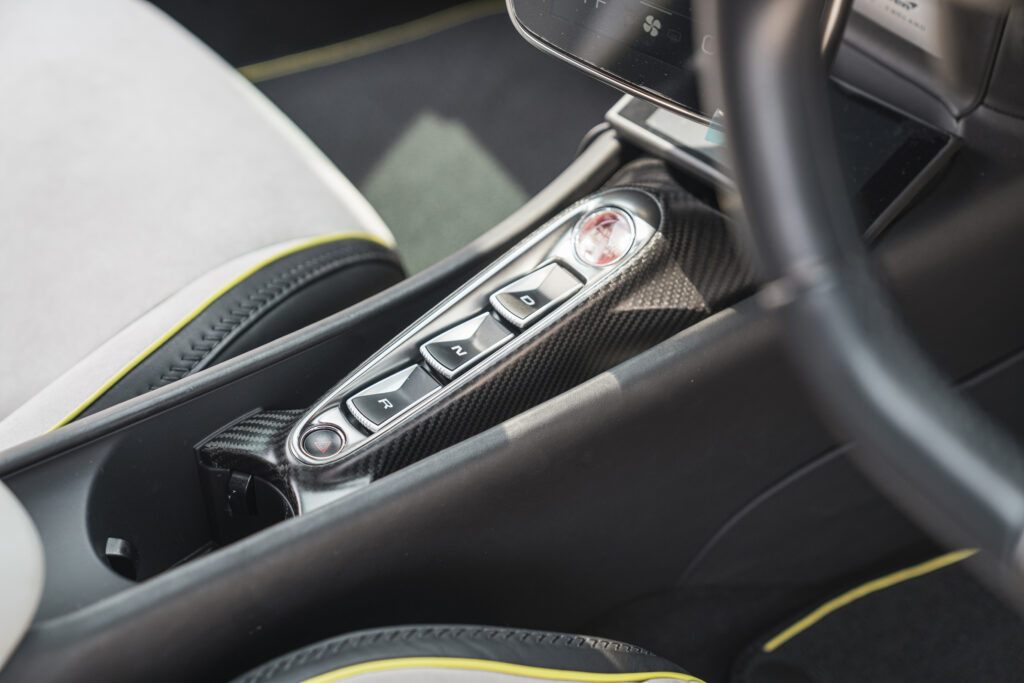
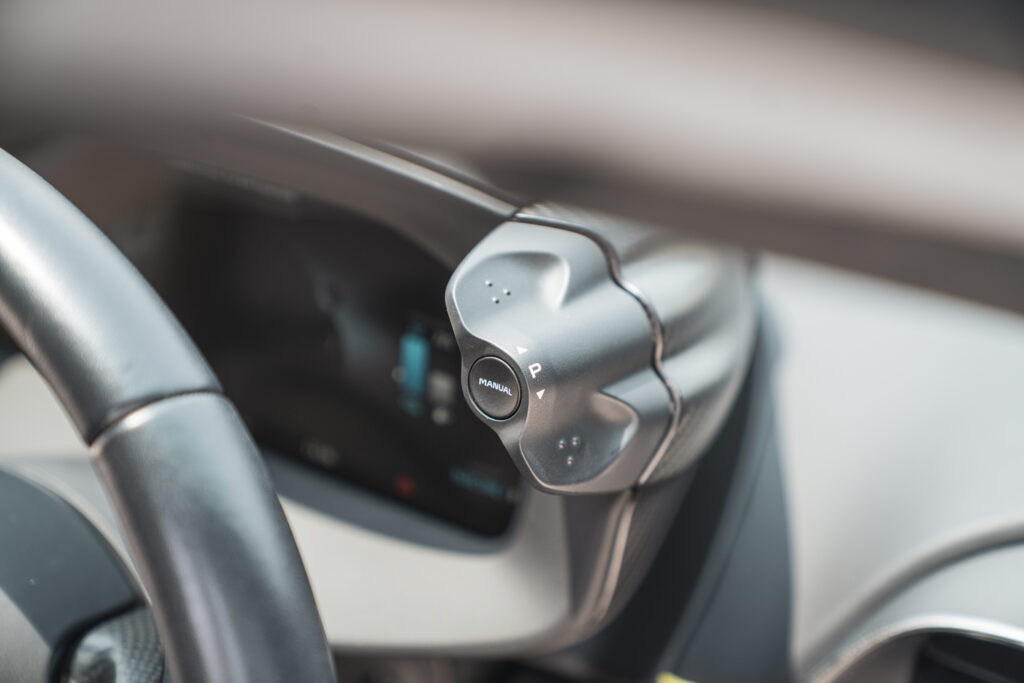
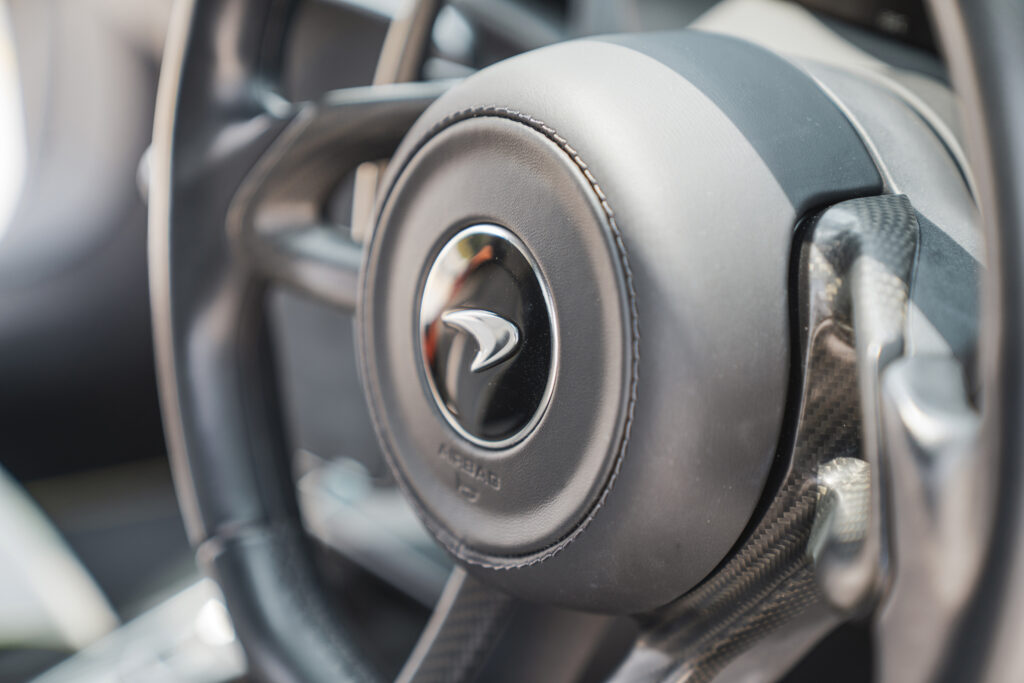
What people mean when they say that is that nothing feels superfluous. There is no layer of software trying to interpret what you want and deliver something slightly different. When you turn the wheel, the car turns. Because the steering is electro-hydraulic, what comes back through your hands is a genuine conversation with the road. When you ask for power, you get it cleanly. With the Artura, you get it immediately, and that is where the hybrid system earns its place.
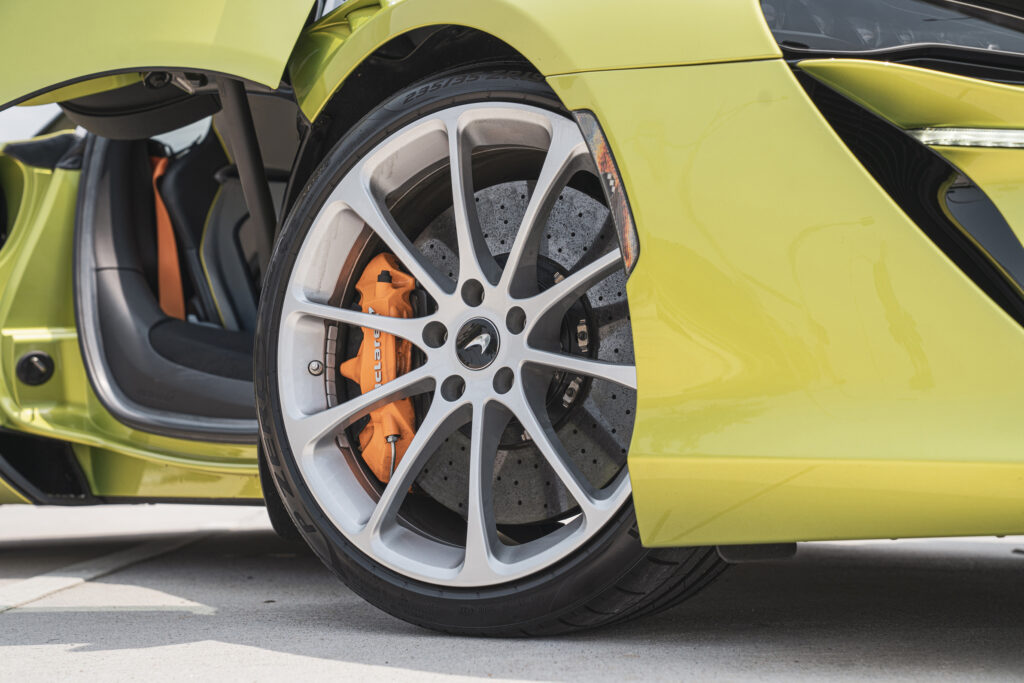
That responsiveness is what purity actually means in practice. It is the absence of delay, of filtering, of anything sitting between you and what the car is doing. The F1-inspired carbon architecture makes this possible. It is rigid where it needs to be, and light where it counts, and the mid-engine balance does exactly what it should, keeping weight central and the car composed around you. Every element is working toward the same outcome, and you feel that coherence when you drive it. It is not a collection of impressive components. It functions as one thing, and because it does, it is far easier to use every day than you might expect.
What took the most adjustment when you first started living with the Artura day to day?
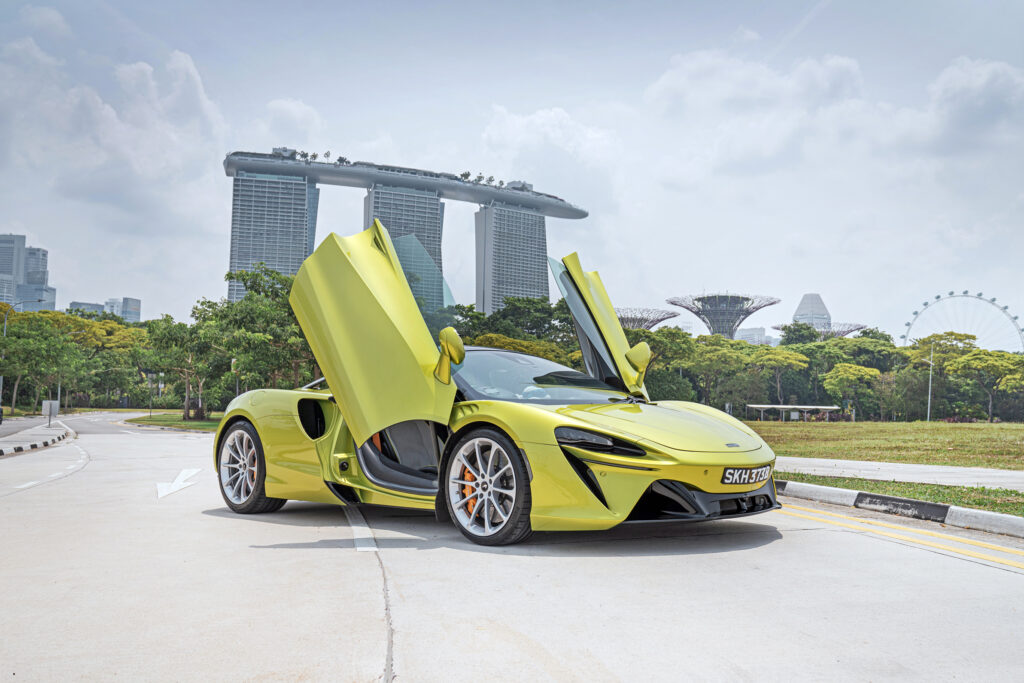
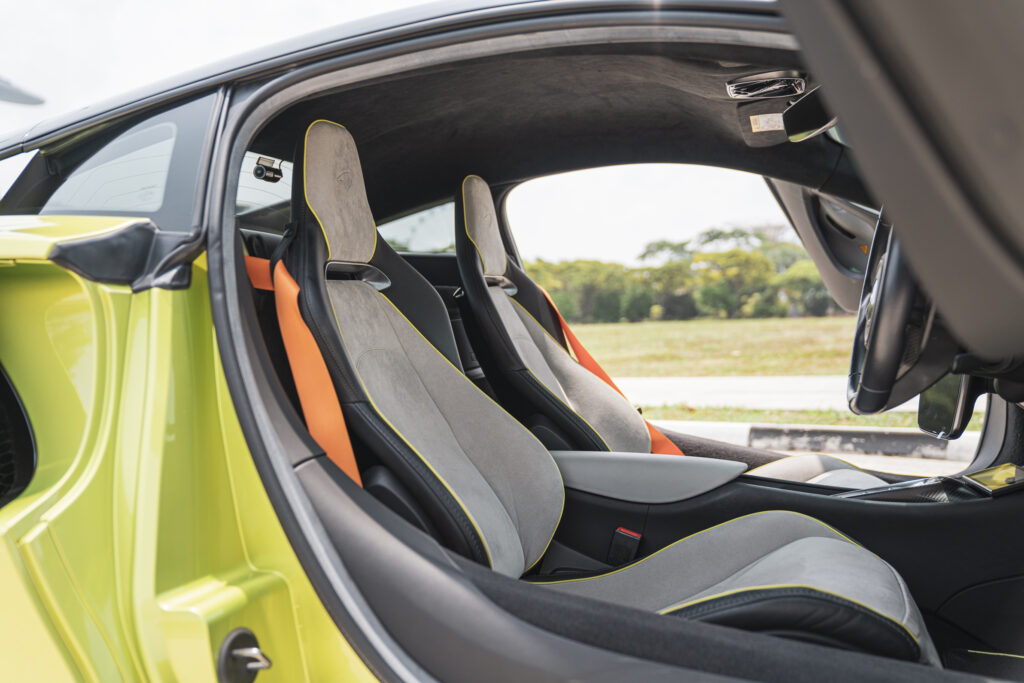
The ingress, honestly, though I say that with affection. The carbon tub sits very low, and the dihedral doors open upward rather than out, so you quickly learn a particular way of getting in and out. It feels deliberate, considered, very much part of what the car is. And people tend to misjudge those doors. The assumption is that they are theatrical, but in a tight carpark they are actually easier to manage than a conventional door. Beyond that, the Artura surprised me with how liveable it is. The visibility is better than you expect, the ride is composed, and the cabin is well considered. It does not ask much of you unless you ask something of it first. That balance is what makes it a car you can actually live with.
So, what does the McLaren life actually look like for you here in Singapore?
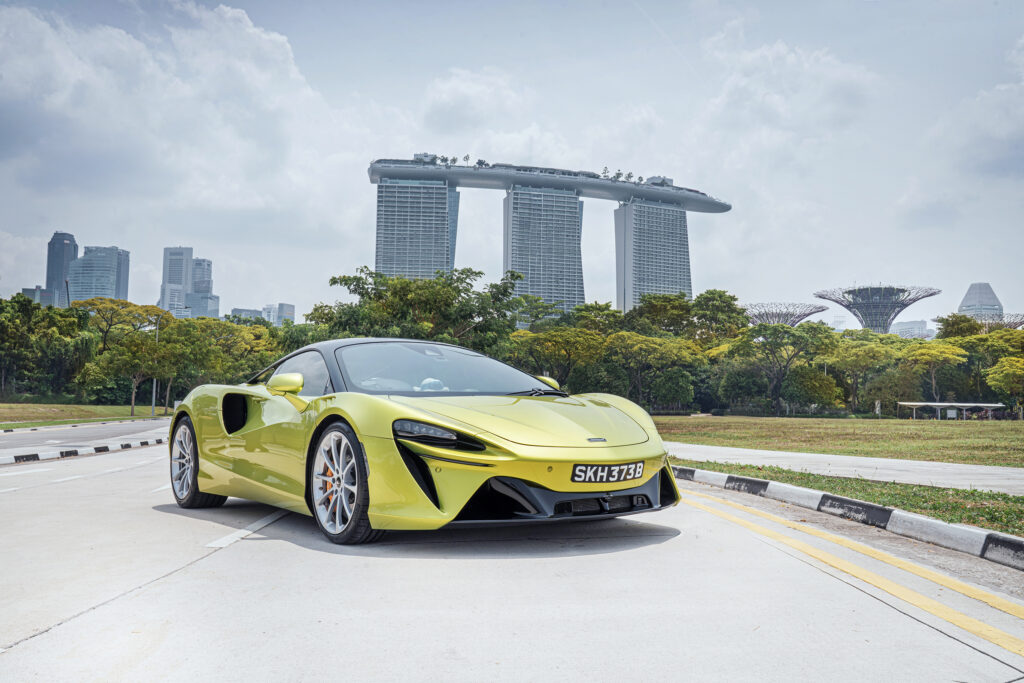
More than I expected, honestly. Locally, there are track days where you finally get to understand what the car is truly capable of, and road trips across the Causeway with a small group chasing proper driving roads.
“McLaren’s experiences programme takes you to some of the world’s greatest circuits, F1 hospitality at Monaco, even the Arctic. Places and moments that go far beyond simply owning a car.”
But ownership also opens doors globally. McLaren’s experiences programme takes you to some of the world’s greatest circuits, F1 hospitality at Monaco, even the Arctic. Places and moments that go far beyond simply owning a car. And through it all, what strikes you is how intimate the community is. A small group of genuine petrolheads who care deeply about what they drive. Late dinners that go on far longer than planned, friendships that form around a shared obsession. At some point, you realise the car was really just the beginning. In many ways, a McLaren gives you more than a car. What comes with it stays with you far longer.

Looking ahead beyond the Artura, are you thinking about moving further up the McLaren range, or is this where you want to be?
The Artura sits in a very satisfying place for me right now. It genuinely functions as both a daily car and a performance car without compromising either, and that is a harder balance to strike than most people realise. As a supercar you can actually live with every day, it is close to perfect. But if I am being honest, the 750S is never far from my mind. Where the Artura is precise and composed, the 750S turns everything up. It is more track-focused in its character, and the level of driver engagement at the limit is something else entirely. It is McLaren at its most unfiltered, and that is compelling.
Got a story to share? Drop us some details, and we’ll reach out when the perfect story angle comes up!