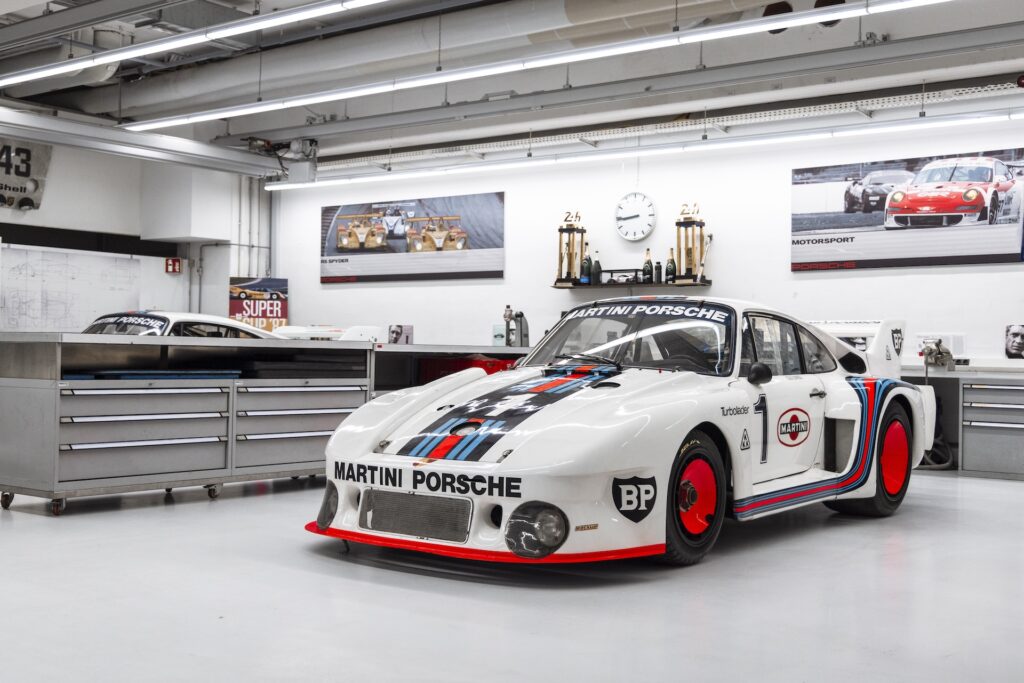
Porsche has marked the 50th anniversary of the 935 with a new five-part video series titled Porsche Heritage Moments, bringing together five key variants of the iconic race car for the first time.
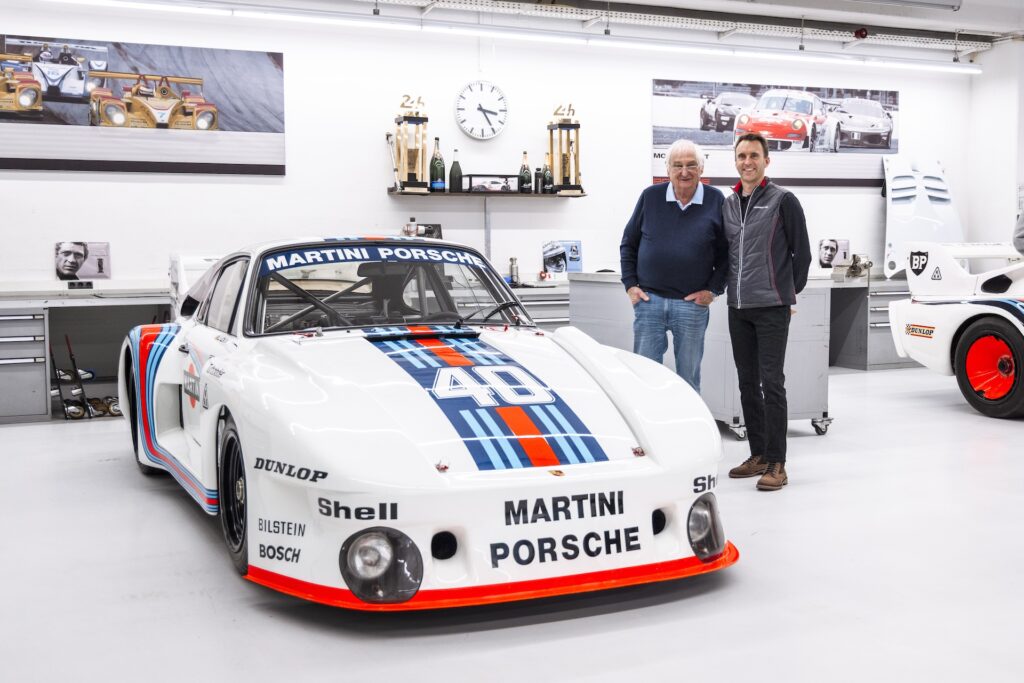
The series, released on Porsche’s YouTube channel, forms part of the brand’s wider “75 Years of Porsche Motorsport” celebrations. It is hosted by Le Mans winner Timo Bernhard, alongside former Porsche race engineer Norbert Singer, who offers first-hand insight into the development of the car.
A Racing Car Defined by Evolution
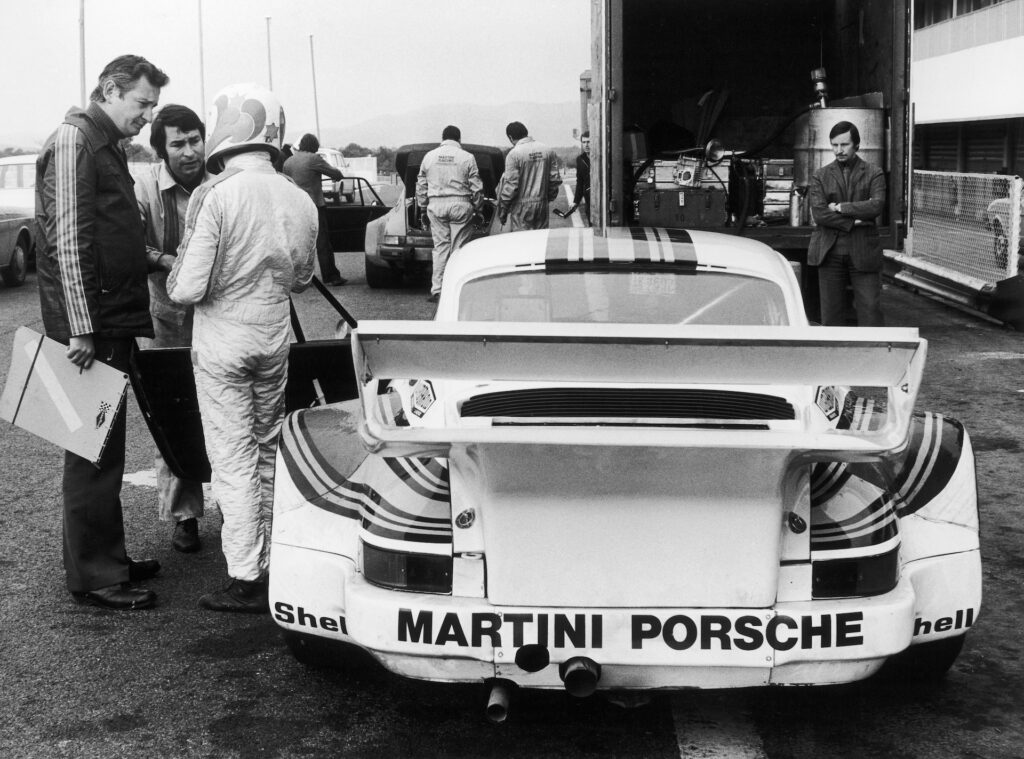
First homologated in March 1976, the Porsche 935 quickly established itself as one of the most dominant racing cars of its era, competing in the World Manufacturers’ Championship and numerous international series.
Built on the foundation of the Porsche 911 and developed for the Group 5 category, the 935 was defined by its ability to evolve rapidly within the limits of the regulations. Widened bodywork, unconventional aerodynamic solutions and constant technical refinement allowed it to remain competitive year after year.
“What truly matters is the spirit that runs through every variant: the precise interpretation of the regulations, the willingness to rethink technical solutions time and again, and the courage to make decisions under intense time pressure.”
Alexander E. Klein, Head of Porsche Heritage Operations and Communications
Five Variants, One Story
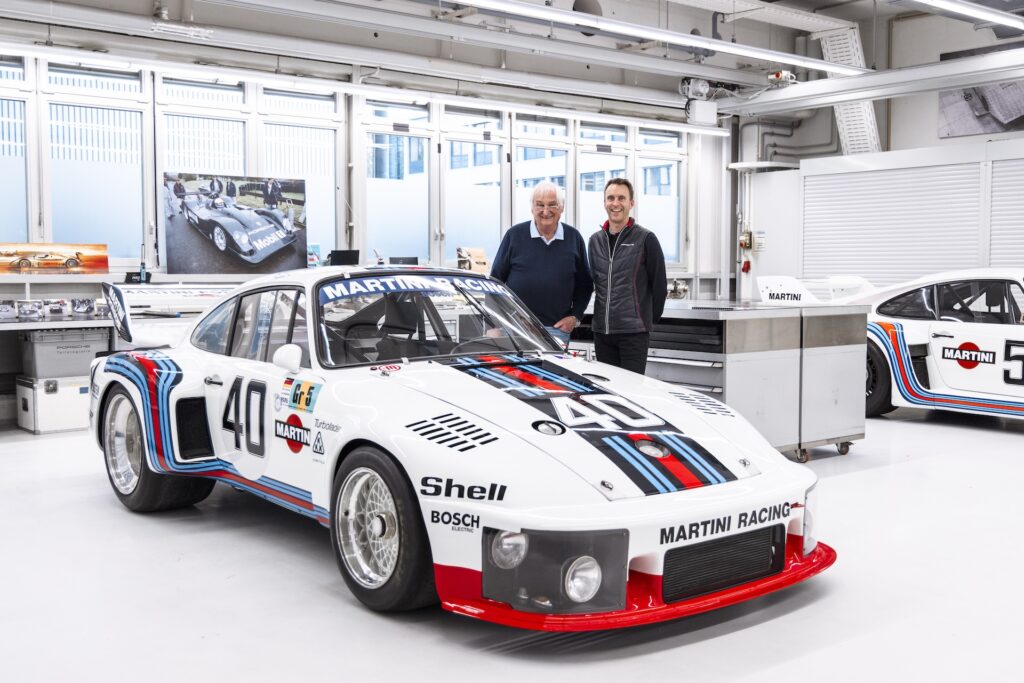
The series brings together five distinct versions of the 935, each representing a different stage of its development.
The original 1976 model introduced the concept, combining advanced engineering with a distinctive design that pushed the boundaries of the regulations. It also highlighted the importance of driver feedback and team communication, particularly in an era before radio contact with the pits.
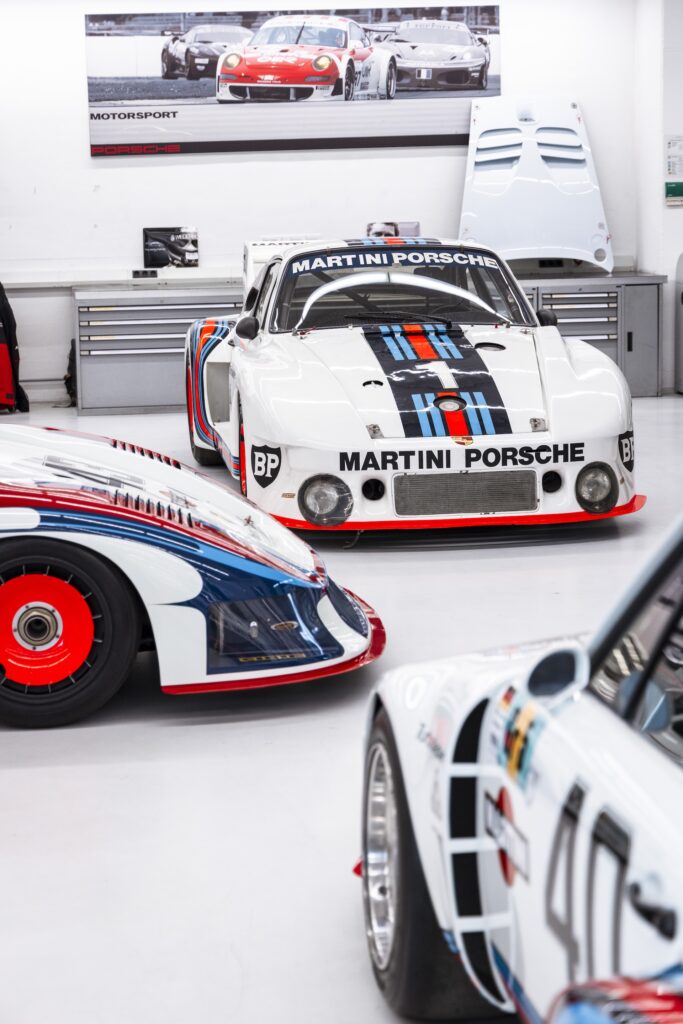
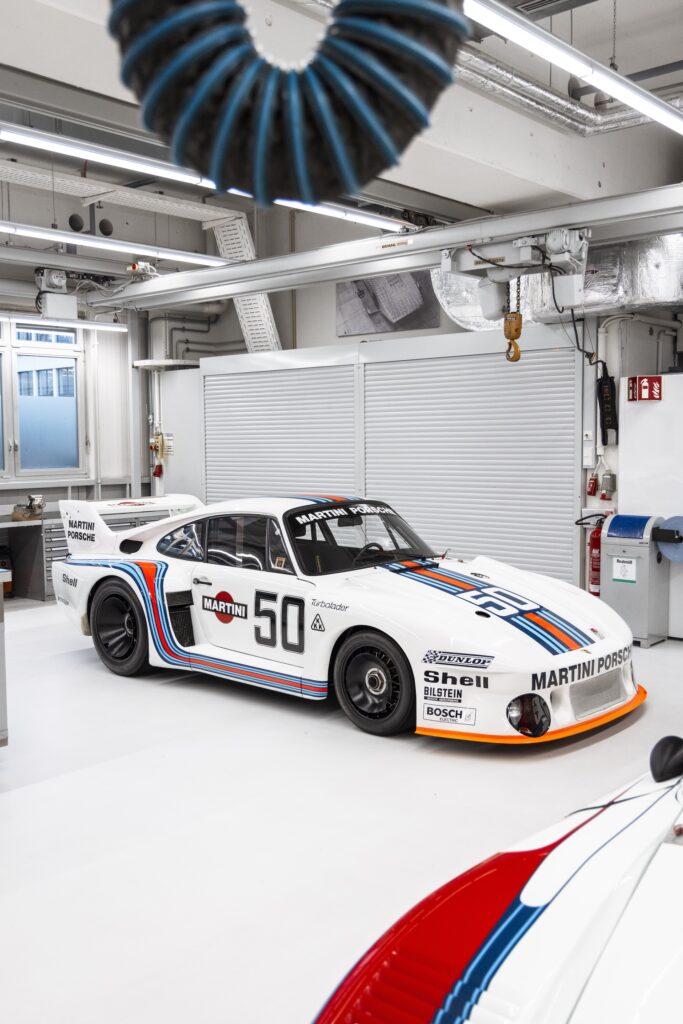
The 935/77 marked a significant technical step forward, most notably with the introduction of twin-turbocharging. By replacing the single large turbo with two smaller units, Porsche improved throttle response and reduced turbo lag, making the car more manageable for drivers.
A different approach was taken with the 935 “Baby”, developed for sprint racing. Engineers focused on weight reduction, removing all non-essential components and reworking the chassis. The result was a lightweight car powered by a smaller 1.4-litre engine, which demanded high revs and precise driving.
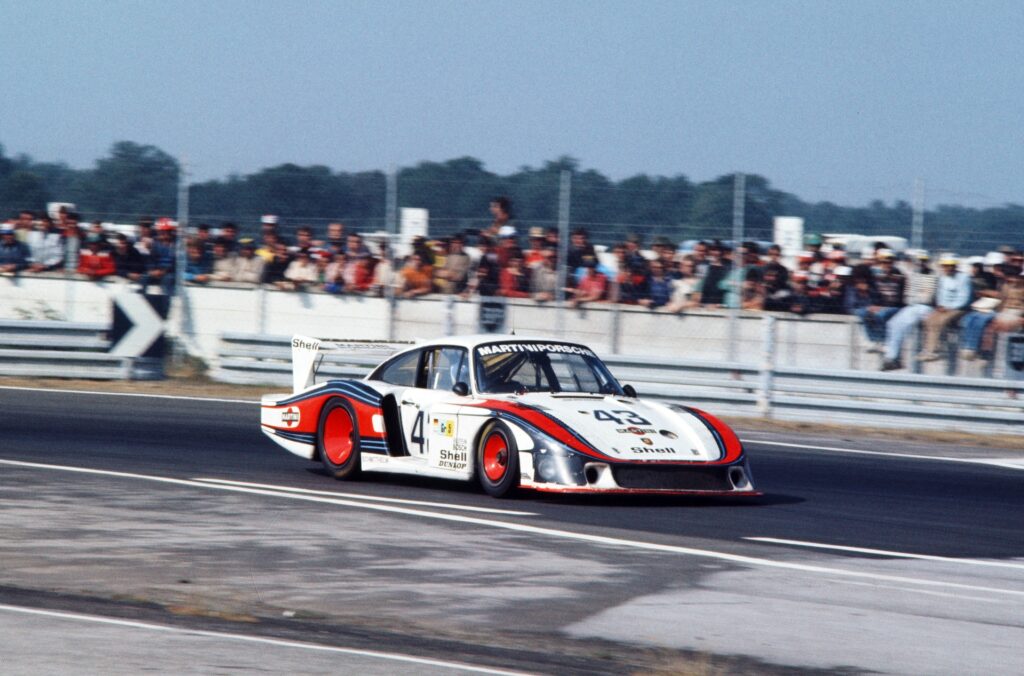
At the other end of the spectrum was the 935/78 “Moby Dick”, an extreme interpretation of the concept. Featuring heavily revised aerodynamics and a twin-turbo flat-six engine producing up to 845hp, it was capable of reaching speeds of 366 km/h on the Mulsanne Straight.
Completing the lineup is the 935/77 test car, which, while not designed for competition success, played a critical role as a development platform. It was also used in an unusual project as a pace car for a cycling speed record attempt exceeding 240 km/h.
Engineering Approach and Legacy
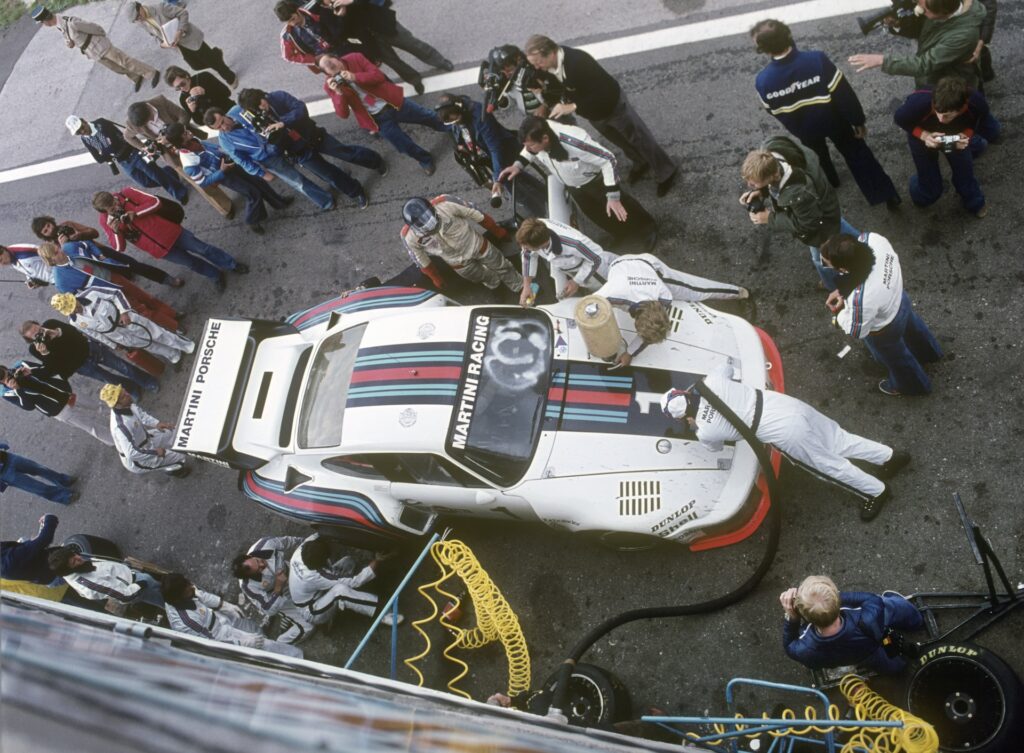
Across all five variants, a consistent theme emerges: continuous refinement within strict regulatory constraints.
The 935 was not developed as a single, fixed concept. Instead, it evolved through incremental changes in aerodynamics, powertrain configuration and weight reduction, often under tight time pressures.
This approach allowed Porsche to remain competitive across multiple seasons and racing formats, reinforcing the brand’s reputation for engineering precision and adaptability.
Read more content at Burnpavement, or check out our latest videos on YouTube and on TikTok!