After years of speculation, rumours, nervous debates in internet comment sections, and perhaps a few sleepless nights among traditionalists in Maranello, Ferrari has finally unveiled its first fully electric car.
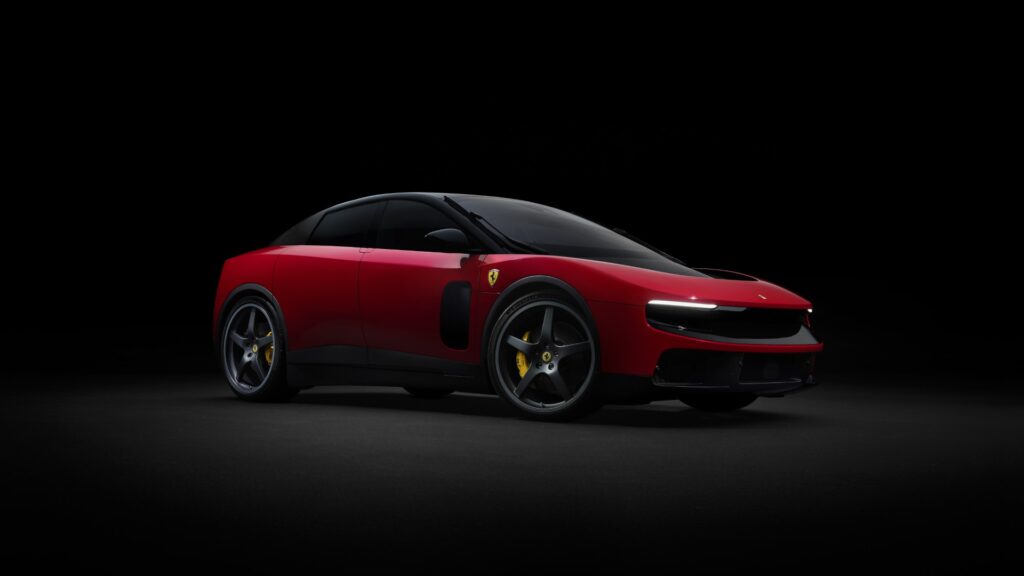
It’s called the Luce, and whether you like the idea or not, it represents one of the biggest moments in Ferrari’s modern history.
Not because it’s another fast Ferrari. Maranello has been building those for decades. This is significant because it asks a question that enthusiasts have been arguing about ever since electrification became inevitable.
Well, here it is.
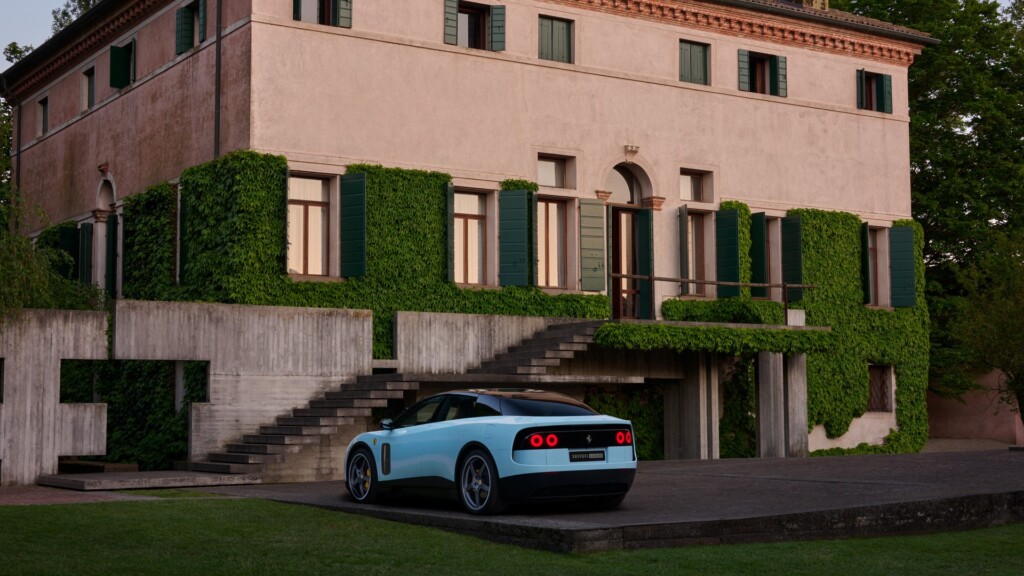
Can a Ferrari still feel like a Ferrari without an engine? Ferrari certainly seems to think so.
Unveiled in Rome, the Luce is not being positioned as a replacement for Ferrari’s V8s, V12s, or hybrid models. Instead, it as an expansion of the range and part of a broader multi-energy strategy. In other words, if you still want a screaming naturally aspirated V12, Ferrari isn’t taking it away from you. At least not yet.
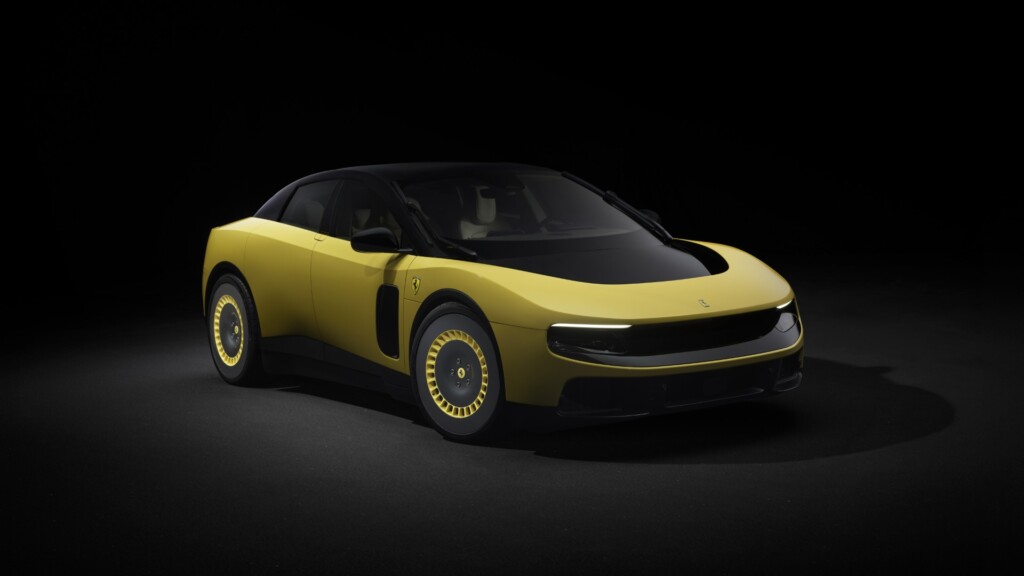
What the Luce does introduce, however, is something entirely new.
Built on a dedicated electric platform, the Luce is powered by four electric motors producing a combined 1,050cv. That translates into a claimed 0-100km/h sprint of 2.5 seconds, a top speed exceeding 310km/h, and a driving range of more than 530 kilometres.
Those numbers are suitably ridiculous, but then again, this is Ferrari. If the company launched a car that wasn’t obscenely quick, we’d probably be more surprised.
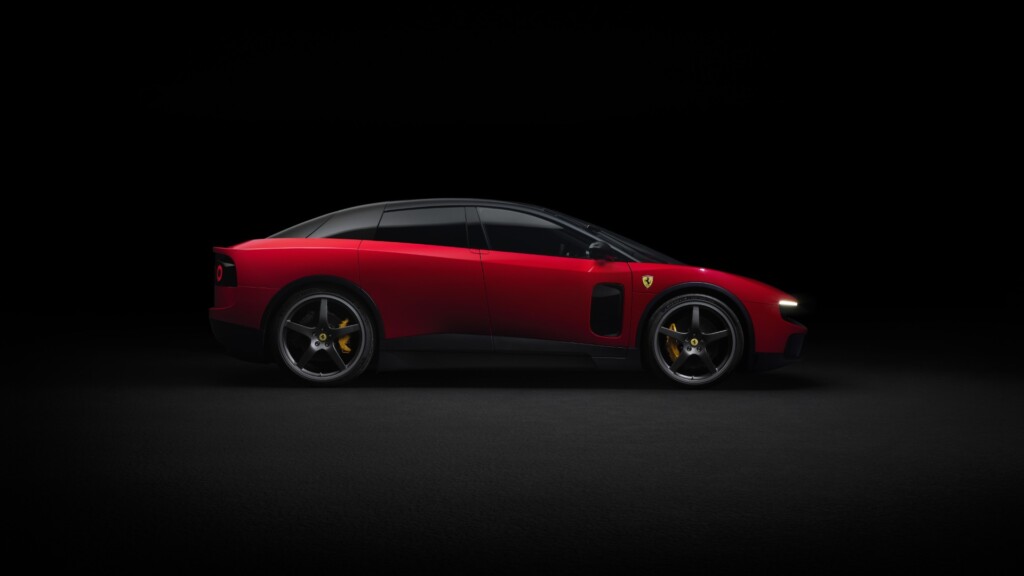
Unlike many manufacturers that source large portions of their electric drivetrains from suppliers, Ferrari has developed the key components itself.
The motors, battery pack, control systems and software have all been engineered in-house, resulting in more than 60 patents associated with the project.
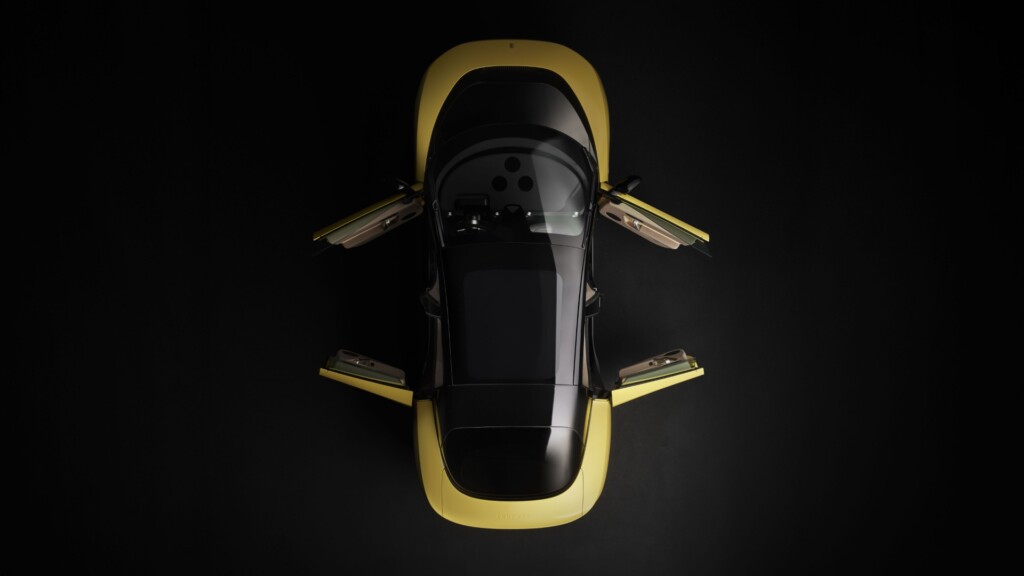
The design is equally unconventional.
Rather than relying solely on Ferrari’s own design studio, the company partnered with LoveFrom, the creative collective founded by Sir Jony Ive and Marc Newson. The result is a car that looks unlike any Ferrari before it.
There are four doors. Five seats. A huge glasshouse. And enough interior space to make a Purosangue owner raise an eyebrow.
If that sounds sacrilegious, remember that people said similar things about the FF, the GTC4Lusso and, more recently, the Purosangue. Ferrari has a habit of upsetting purists before quietly proving them wrong.
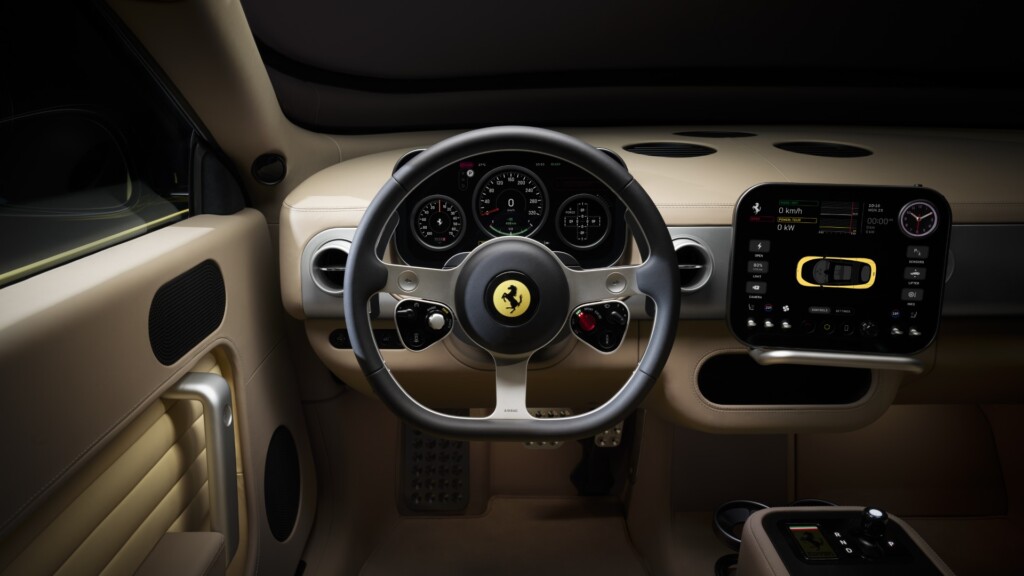
Perhaps the most interesting challenge wasn’t performance or design, but sound.
After all, Ferraris are supposed to sound magnificent. It’s part of the experience. Nobody hangs a poster of a Ferrari on their bedroom wall because of its charging speed.
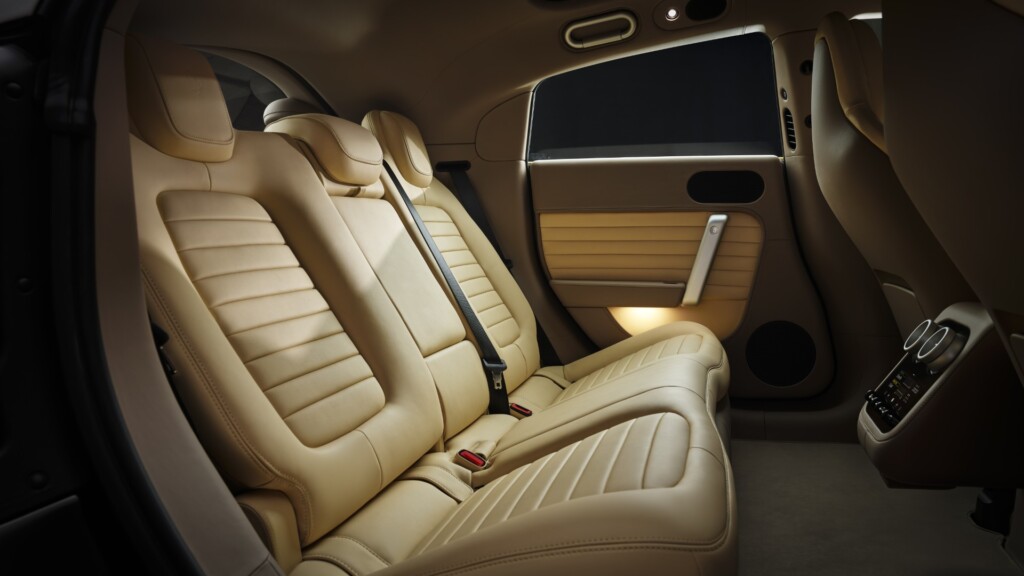
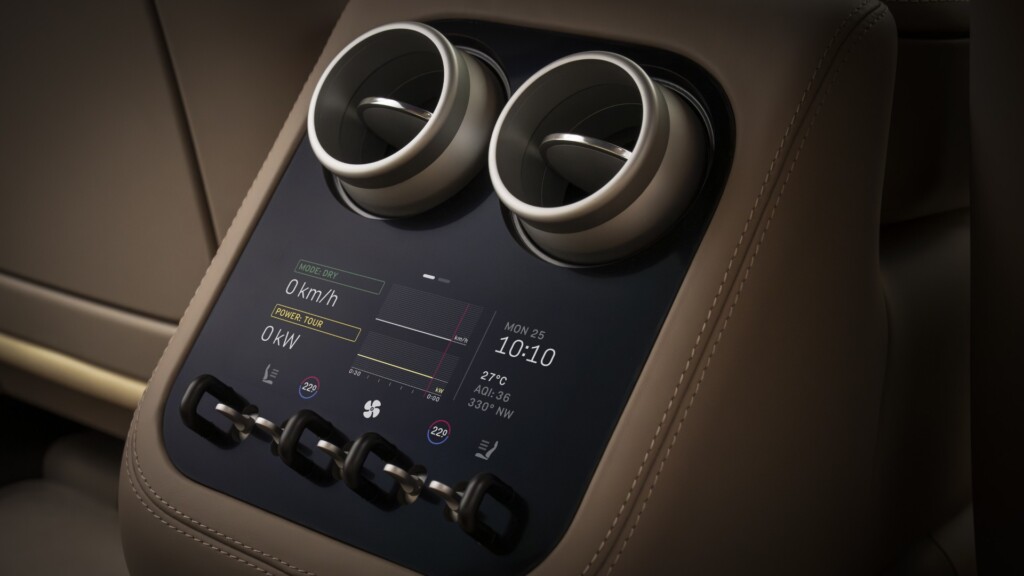
Rather than creating an artificial soundtrack piped through speakers, the company has developed a system that amplifies the natural mechanical sounds generated by the electric motors and drivetrain.
The idea is not to imitate a V12, but to create a new acoustic identity that remains authentic to the machine underneath. Whether that succeeds in practice remains to be seen.
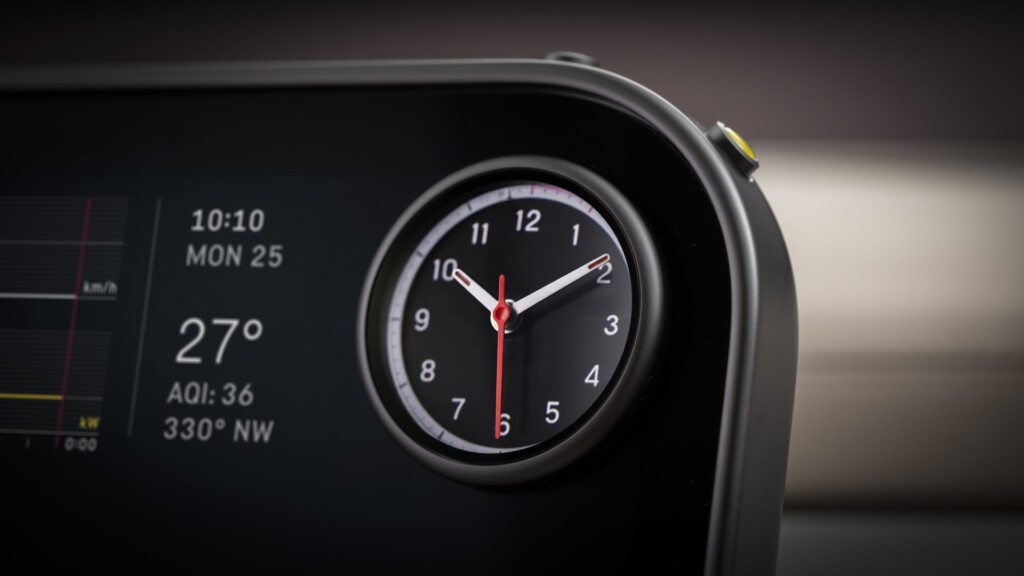
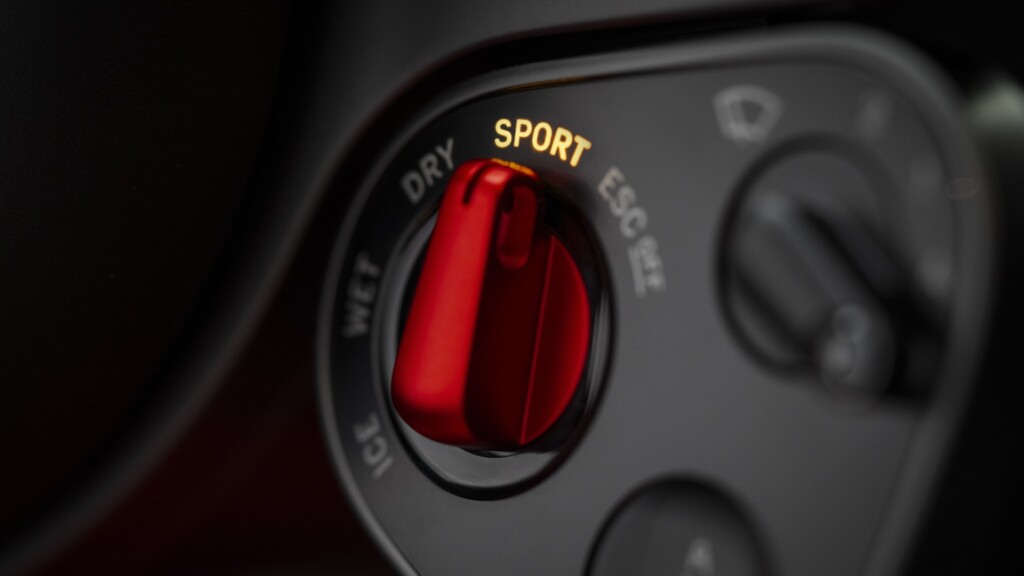
What cannot be denied is the sheer ambition of the project. Ferrari could have built an electric car that simply followed the industry trend. Instead, it appears to have approached the challenge the same way it approaches everything else: by attempting to do it differently from everyone else.
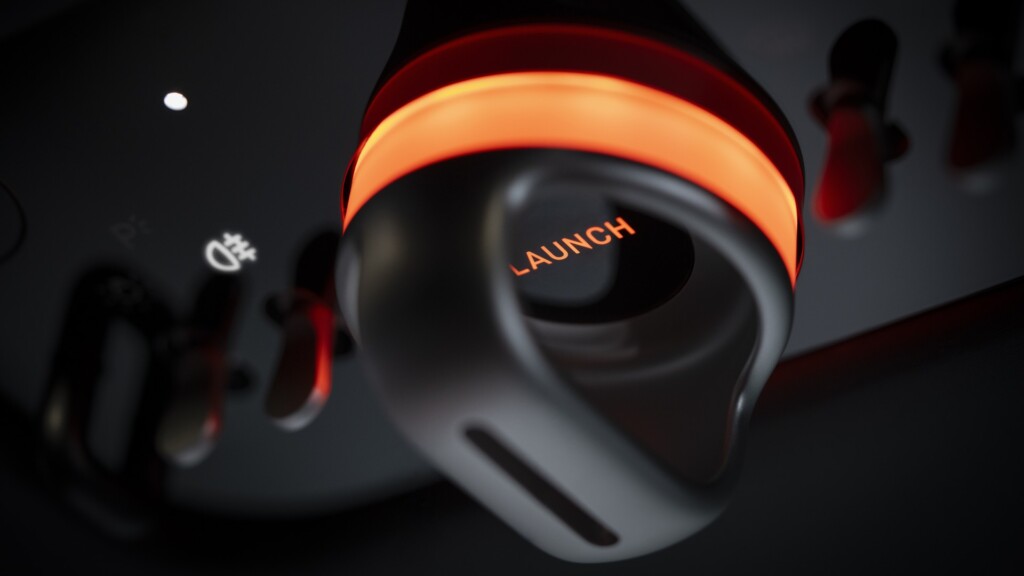
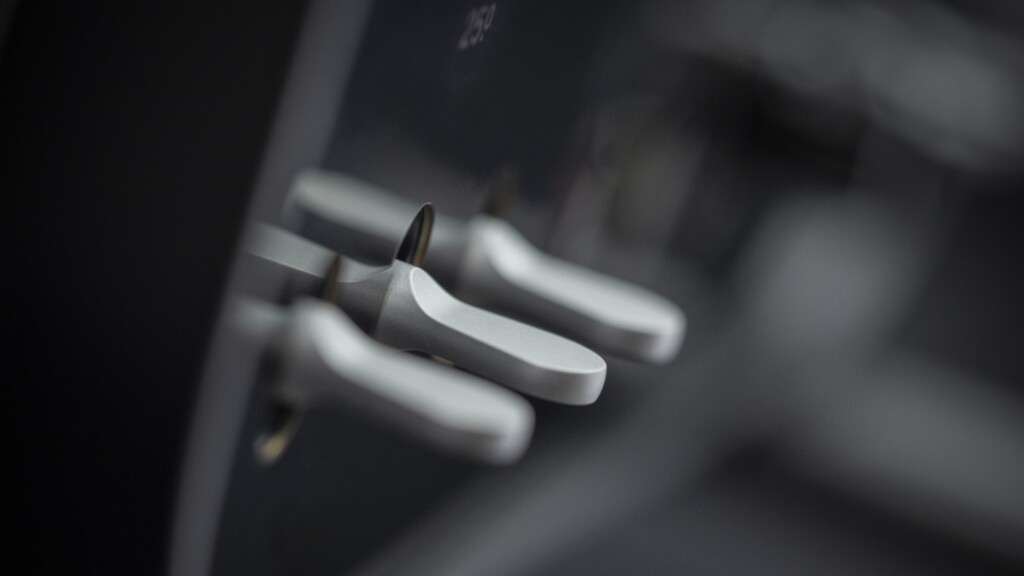
As Ferrari Chairman John Elkann put it, “With Ferrari Luce, we are once again redefining the limits of what is possible.”
Because love it or hate it, the Luce isn’t just Ferrari’s first electric car. It may well be the most important Ferrari launched this decade.
Read more content at Burnpavement, or check out our latest videos on YouTube and on TikTok!