For the last few years, Le Mans has felt a little like turning up to a family gathering and discovering the old favourite has been relegated to the kids’ table.
Toyota, once the undisputed king of endurance racing, arrived at Circuit de la Sarthe carrying the scars of recent defeats. Ferrari had stolen the spotlight. Cadillac had found genuine pace. BMW had emerged as a serious contender.
The Hypercar era, once expected to be Toyota’s playground, had instead become motorsport’s most brutal heavyweight division.
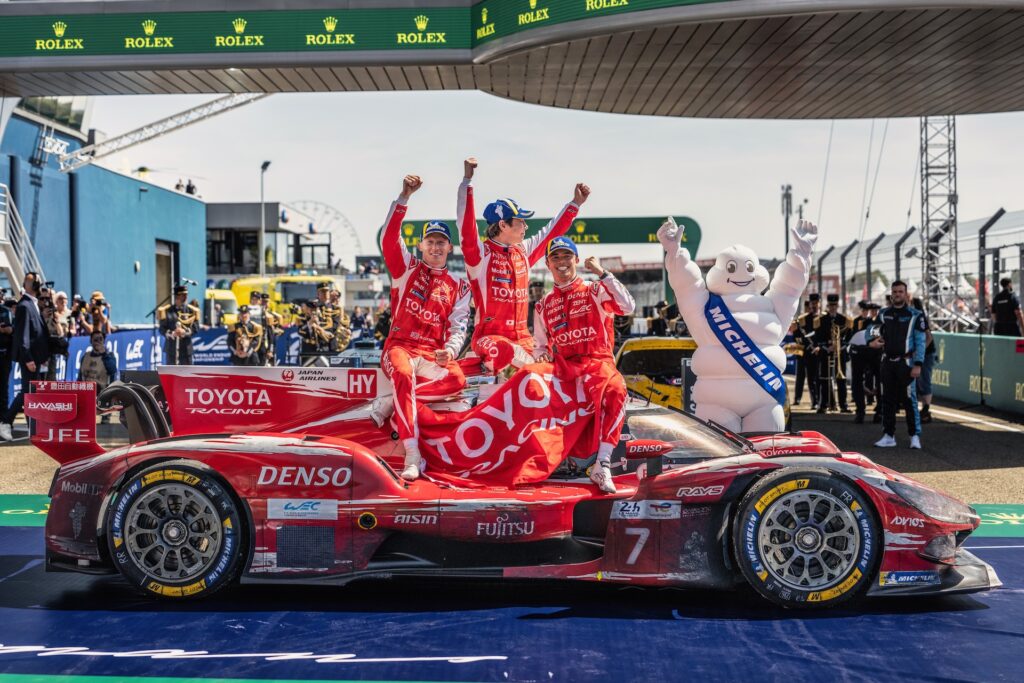
And yet, after 24 hours of chaos, strategy, survival and sheer stubbornness, Toyota was back where it believes it belongs: standing on the very top step at Le Mans.
The 2026 running of the world’s greatest endurance race was never going to be straightforward. Nothing at Le Mans ever is.
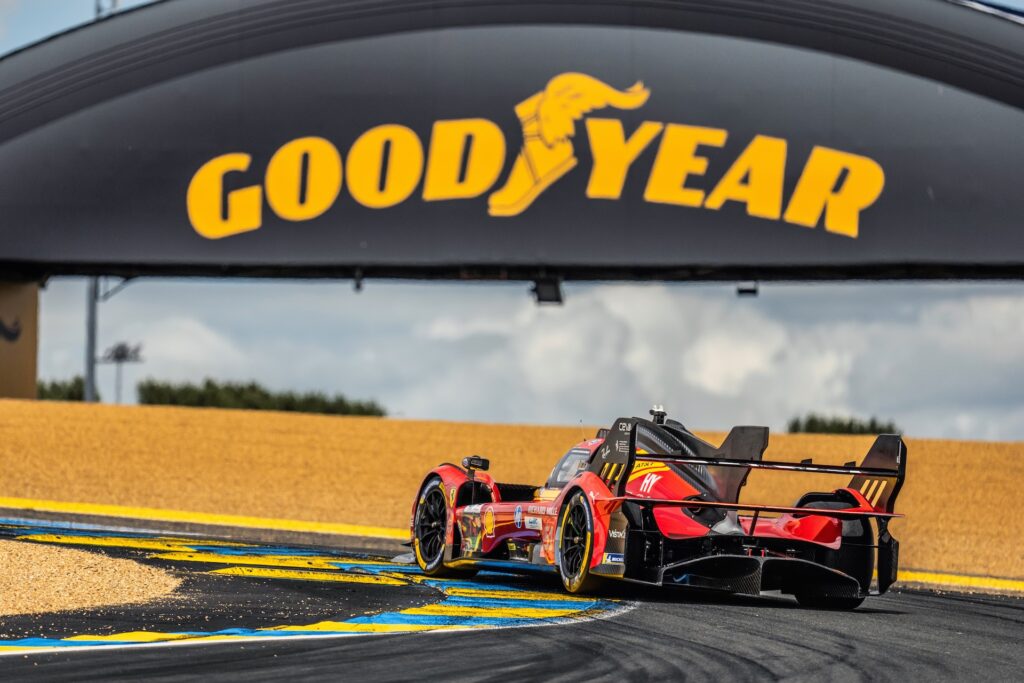
BMW arrived with pole position and genuine confidence. Cadillac looked every bit a winner for large portions of the race. Ferrari, chasing an unprecedented fourth consecutive victory, remained a constant threat lurking in the background.
The margins were microscopic, the pace relentless, and the slightest mistake threatened to turn months of preparation into an expensive sightseeing tour of the French countryside.
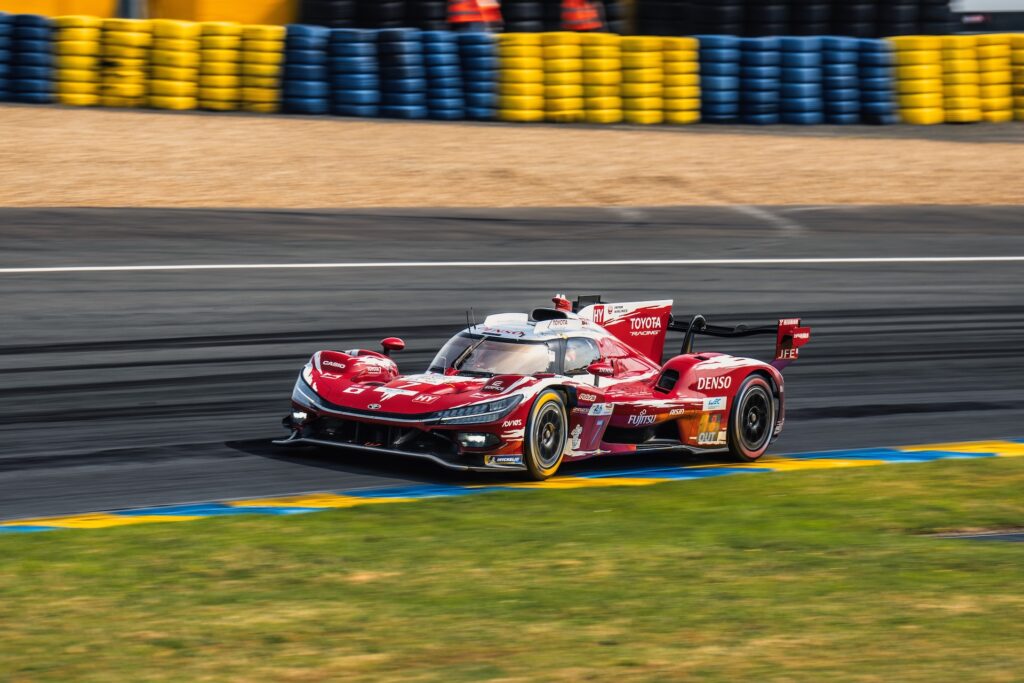
Toyota’s No. 7 machine, shared by Kamui Kobayashi, Mike Conway and Nyck de Vries, wasn’t supposed to have an easy route to victory. At various points, it looked as though the race was slipping away. But Le Mans has always rewarded resilience as much as outright speed.
Hour after hour, while rivals stumbled over mechanical gremlins, strategy errors and plain bad luck, the Toyota simply kept turning laps.
Not glamorous laps. Not headline-grabbing laps. Just relentlessly efficient laps that have become Toyota’s trademark over the past decade.
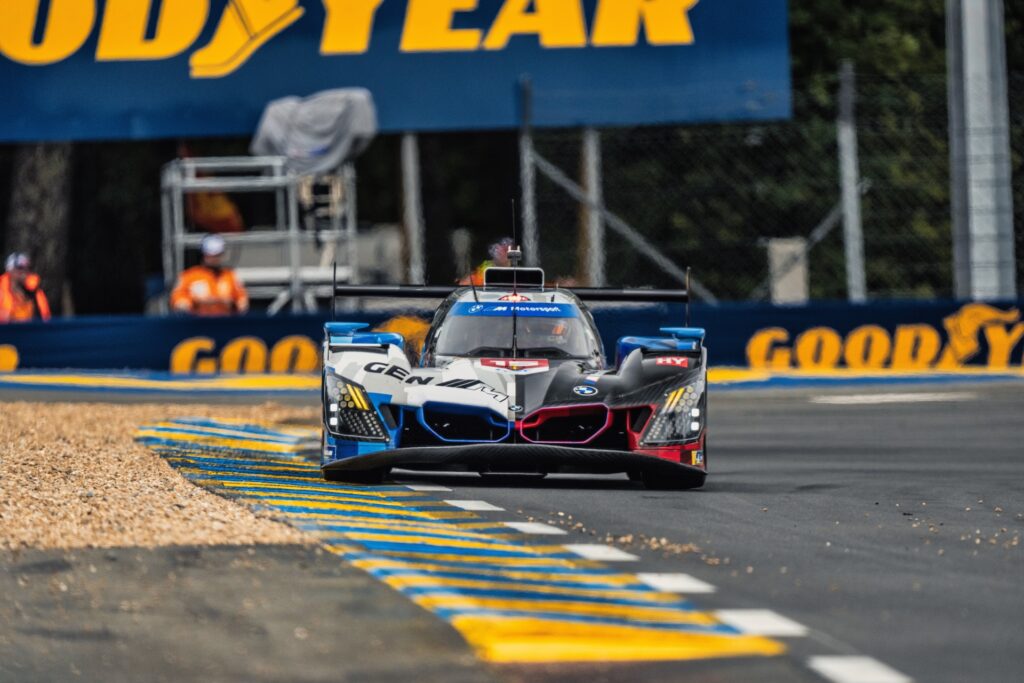
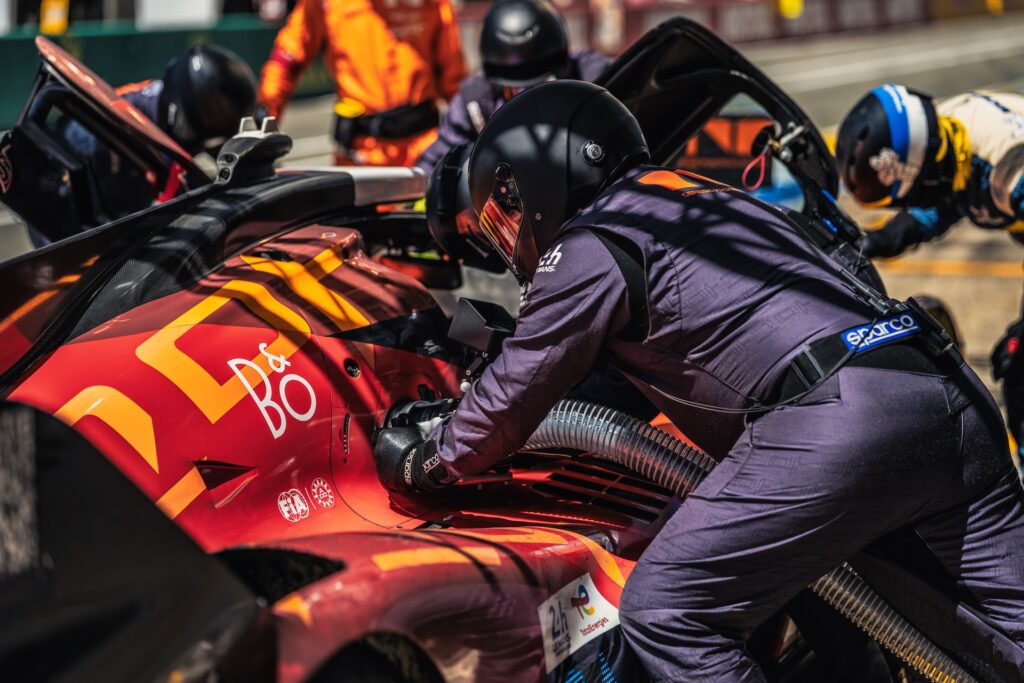
As dawn broke over La Sarthe, the fight intensified, with BMW remaining firmly in contention. Yet when the final hours arrived, and the pressure reached unbearable levels, Toyota did what Toyota does best: it refused to blink.
When Kamui Kobayashi finally crossed the finish line after 24 exhausting hours, the margin to the chasing BMW was just over ten seconds. After an entire day of racing, that’s barely enough time to make a cup of coffee.
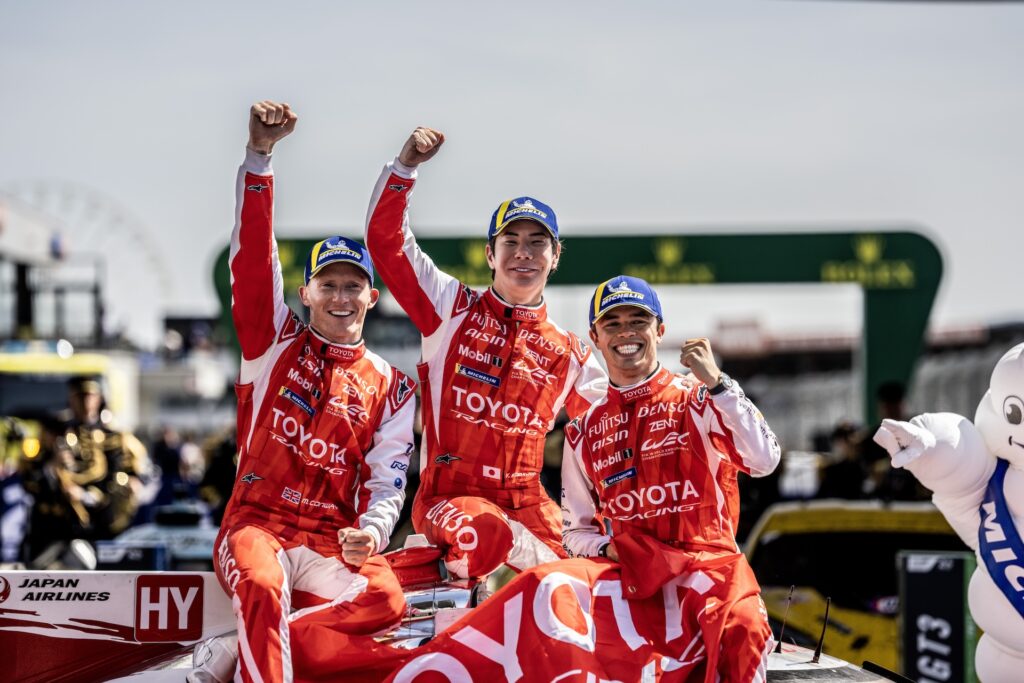
This was Toyota’s first Le Mans triumph since 2022, ending a four-year wait that must have felt considerably longer inside the team’s garage.
For a manufacturer accustomed to winning, the recent Ferrari era had been a painful reminder that motorsport has a very short memory. Yesterday’s champion quickly becomes today’s underdog.
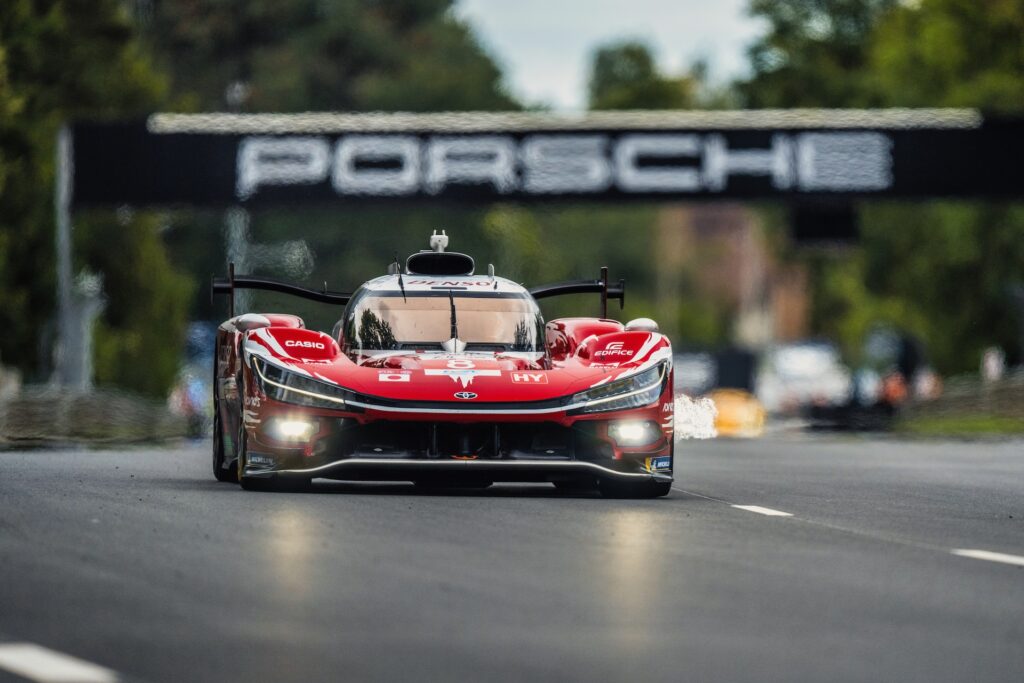
The Toyota crew delivered when it mattered. Strategy calls landed perfectly. Reliability held firm. Drivers stayed calm when others cracked.
Adding further weight to the result was the fact that Toyota placed its sister No. 8 car on the podium as well, securing third place. And what a time to do it.
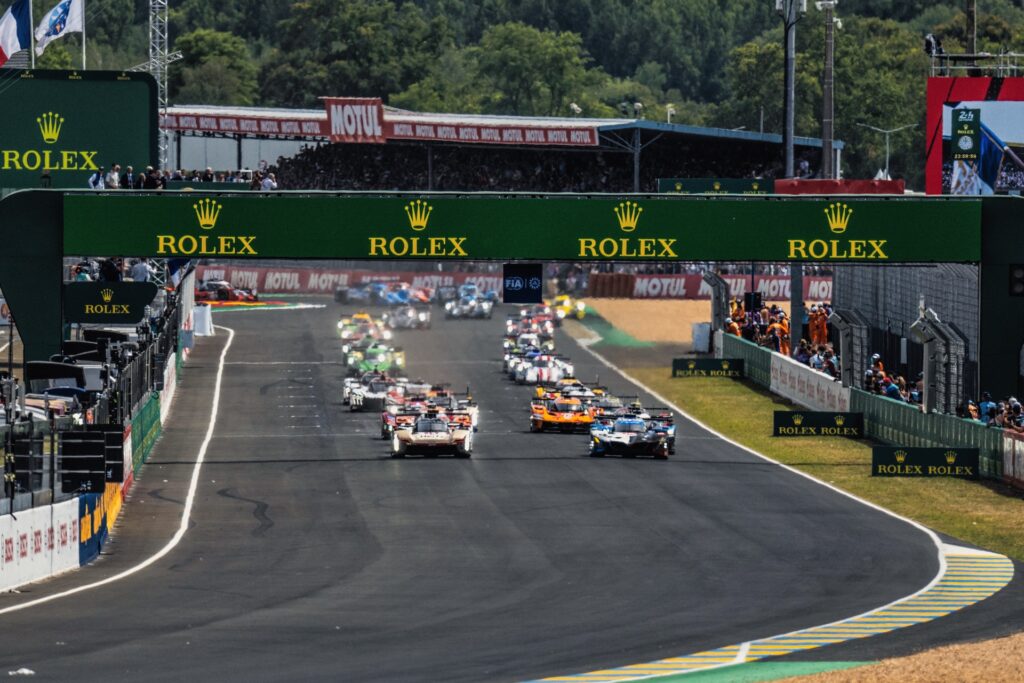
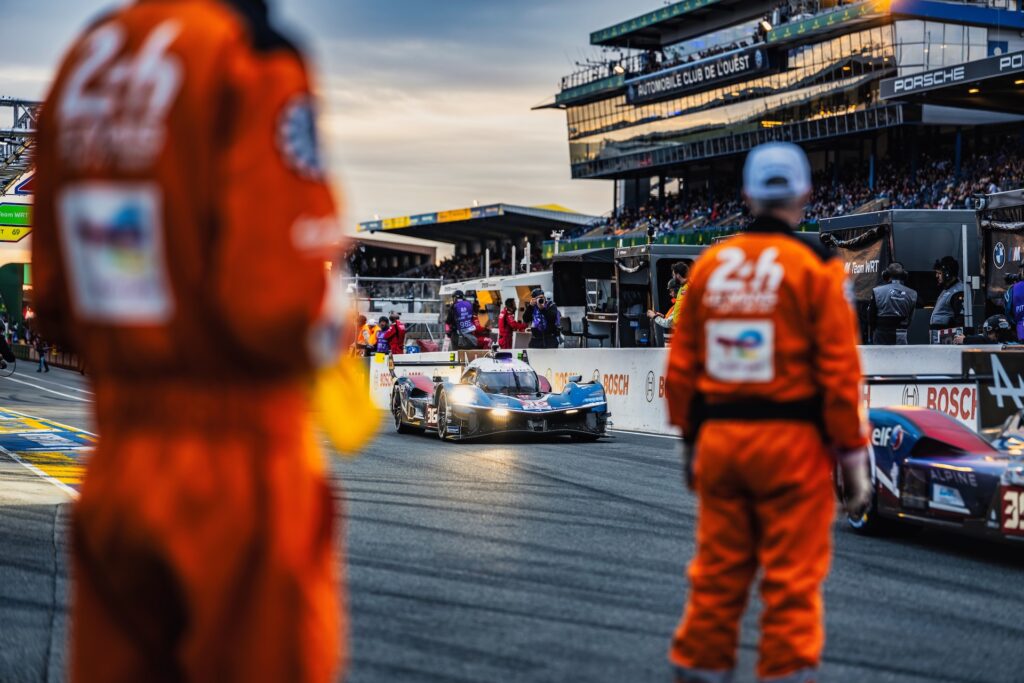
The Hypercar class is now arguably stronger than at any point in modern Le Mans history. Ferrari, BMW, Cadillac, Porsche, Peugeot, Alpine, Aston Martin and now Genesis have all converged on the same battlefield.
Victory no longer comes from simply showing up with a competent prototype. It must be earned against some of the biggest manufacturers in the world.
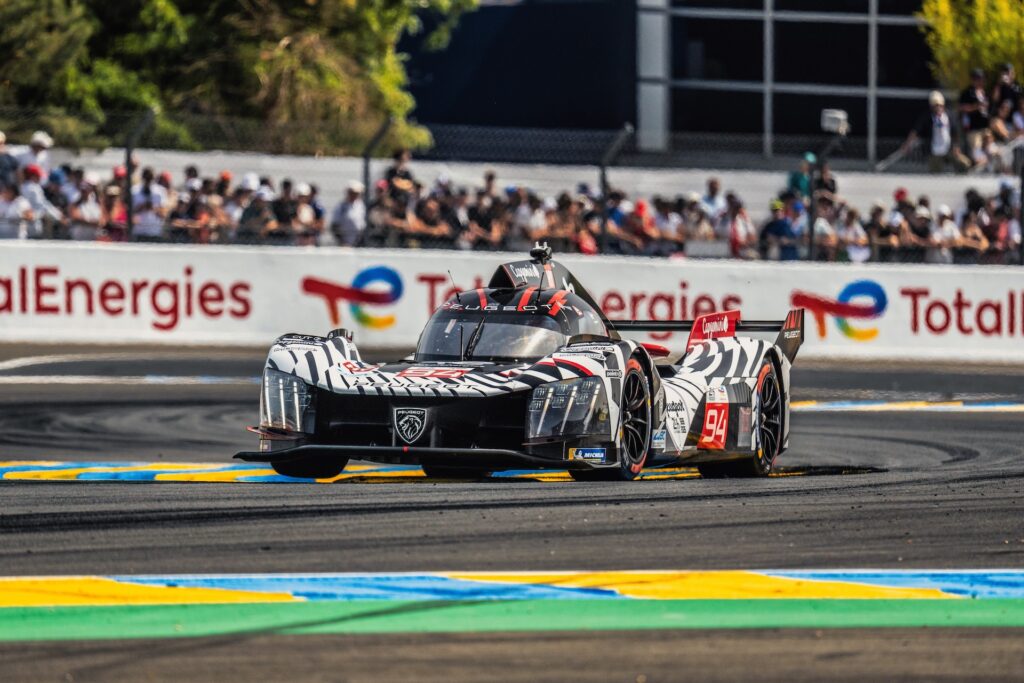
This win was Toyota standing toe-to-toe with a full field of hungry rivals and emerging victorious. Again.
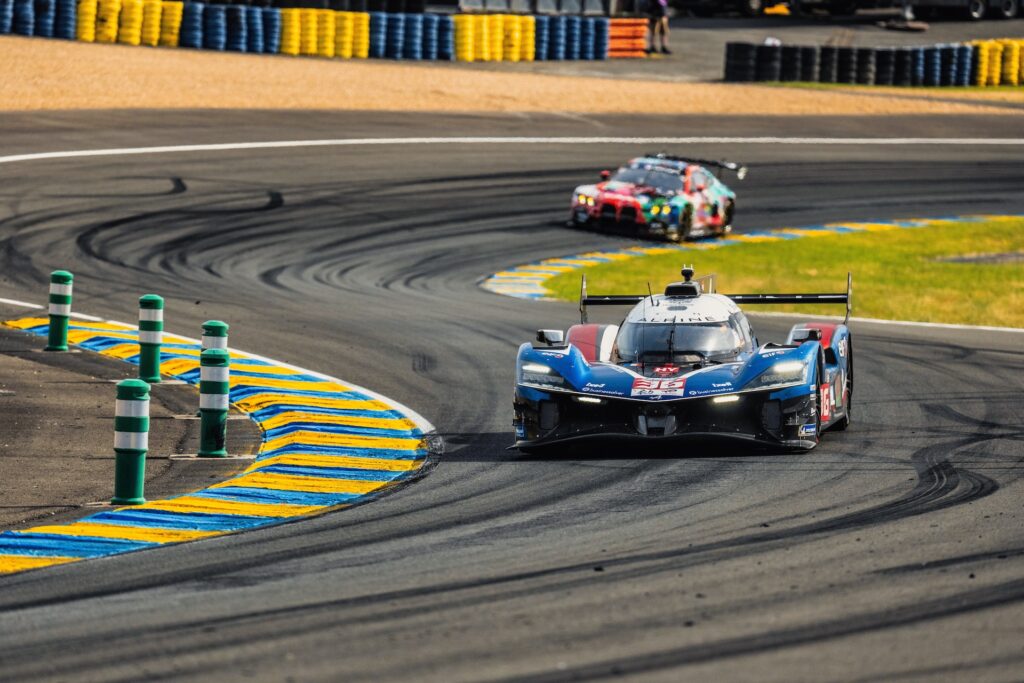
Le Mans has a habit of choosing its winners. In 2026, after years of near-misses, frustration and watching others celebrate, it chose Toyota once more.
Read more content at Burnpavement, or check out our latest videos on YouTube and on TikTok!